

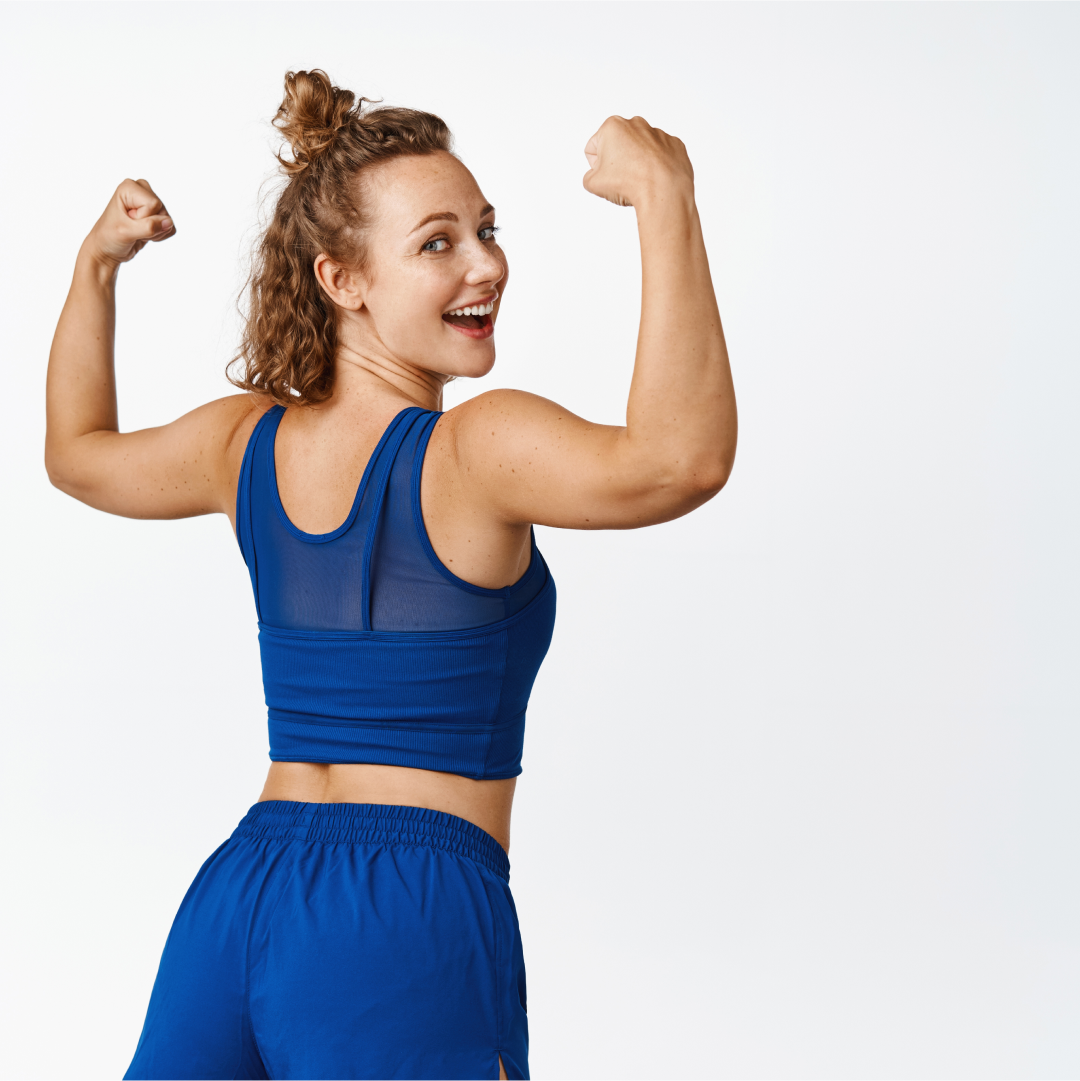

The 30-Day Pilates Challenge is designed to boost your core and strength. It offers a series of low-impact workouts. This program aims to improve flexibility, stability, and body awareness, leading to a real fitness change.
It’s great for women of all ages and fitness levels. It combines traditional Pilates with stretching and yoga moves1. Thousands of women have joined, showing its popularity and success1.
Expect better posture and less body tension as you go along. Each week brings new techniques and exercises2. The daily routines are for both newbies and experts, making it easy for everyone to join in. Plus, tools like the Wall Pilates Workout Device add to the experience2.
By doing this 30-day program, you’ll see big changes in your body and mind. It’s a great start to a healthier life.
Key Takeaways
- The challenge focuses on core strength development through low-impact workouts.
- It is suitable for women of all ages and fitness levels.
- Participants can improve their posture and relieve muscle tension.
- The program includes a variety of exercises targeting different body areas.
- Community support enhances motivation and engagement.
- Additional resources provide tools for an enriched Pilates experience.
- Progress tracking is essential for setting new fitness goals.
What is a Pilates Challenge?
A Pilates challenge is a set of workouts aimed at boosting fitness. It includes different exercises to strengthen the core and improve overall health. Pilates is popular because it combines flexibility, strength, and mindful movement.
Overview of Pilates
Pilates started in the early 1900s. It focuses on building core strength, improving posture, balance, and flexibility. Classes use various movements that are both fun and relaxing.
Popular exercises include ab roll-ups, glute bridges, and leg stretches. These help improve physical alignment and muscle stability3. People of all fitness levels can enjoy Pilates because it’s low-impact.
Benefits of Pilates
Doing a Pilates challenge offers many benefits. It strengthens core muscles and boosts flexibility. It can also help reduce stress and anxiety3.
Regular practice can show improvements in strength and muscle tone. This is especially true when combined with cardio or strength training45. It helps improve alignment, reduce back pain, and shape core muscles.
Popularity and Trends
Pilates has become very popular lately. This is thanks to home workouts and virtual challenges on social media. The 28-Day Wall Pilates Challenge is a big hit, offering daily videos for motivation3.
These videos are short, lasting from 10 to 30 minutes. They encourage consistent practice for better results. This shows how Pilates has evolved to fit today’s fitness trends.

Setting Goals for Your Challenge
Setting clear pilates goals is key for success in any fitness challenge. Start by defining your fitness objectives. Use the S.M.A.R.T method to make sure your goals are specific, measurable, achievable, relevant, and time-bound6. For example, you might aim to get stronger in your core or be more flexible.
Studies show that writing down your goals can help you achieve them7.
Defining Your Fitness Objectives
Break down big goals into smaller steps8. Make sure your goals are achievable to avoid getting discouraged7. Think about what you want to improve, like your hamstring or shoulder flexibility. Setting goals that are personal and relevant can help you succeed6.
Tracking Your Progress
Keeping track of your progress is important for staying motivated. You can use a journal or fitness apps to log your improvements6. Try setting mini-goals every week or two to keep the motivation going8. Celebrating your achievements, like doing a class without modifications, can keep you committed to fitness7.
Staying Motivated
Staying motivated in fitness requires different strategies. Working out with a friend can make it more fun and keep you accountable8. Rewarding yourself, like with new workout gear or a relaxing session, can really boost your mood. Adding mindfulness to your routine can also help manage stress8.
Preparing for the 30-Day Challenge
Getting ready for a 30-Day Pilates Challenge is important. You need the right equipment, a good workout space, and a schedule. These things help you reach your goals.
Necessary Equipment
Having the right gear is key for a great Pilates workout. You’ll need a good mat, resistance bands, and maybe a stability ball. This equipment lets you do different exercises each day.
Creating a Suitable Space
Having a dedicated workout area at home is important. Make sure it’s bright, has good air, and no distractions. A calm place helps you focus and enjoy your workouts more.
Developing a Schedule
Creating a workout schedule is crucial for sticking to it. Pick times that fit your day and include rest days too. This balance helps you keep going and see lasting results.

| Equipment | Purpose |
|---|---|
| Yoga Mat | Provides cushioning and grip for floor exercises. |
| Resistance Bands | Adds intensity and challenges for strength-building exercises. |
| Stability Ball | Enhances core stability and supports various movements. |
With these steps, you’re ready for a great 30-Day Pilates Challenge. Good preparation means a better experience and success91011.
Daily Workout Structure
In the 30-Day Pilates Challenge, each workout part is carefully planned. It helps balance and improve fitness. The warm-up gets muscles ready, core exercises build strength, and cool down improves flexibility.
Warm-Up Routine
Warm-up exercises are key to get ready for harder movements. They boost blood flow, heart rate, and prevent injuries. A good warm-up helps with core exercises, focusing on body alignment.
Core Exercises
Core exercises are the heart of the workout, focusing on the midsection and stabilizing muscles. Each day, you do different movements to strengthen your body. You’ll do things like half roll-downs and Pilates push-ups, helping with posture and body control12.
Doing these exercises regularly boosts energy and helps with stress13.
Flexibility and Cool Down
After the core workout, cool down exercises are crucial for recovery. They help your body relax and reduce soreness. These exercises focus on stretches and movements that improve flexibility and alignment.
| Workout Component | Key Focus | Examples |
|---|---|---|
| Warm-Up Exercises | Prepare muscles, Prevent injuries | Dynamic stretches, Light cardio |
| Core Exercises | Enhance strength and stability | Half roll-down, Glute bridge |
| Cool Down Techniques | Promote recovery and flexibility | Static stretches, Breathing exercises |

This balanced approach in the 30-Day Pilates Challenge leads to better physical performance12.
Nutrition Tips for Optimal Results
Nutrition is key for the 30-Day Pilates Challenge. Eating well boosts your performance and recovery. Knowing how to eat right can give you more energy and better workouts.
Importance of Nutrition
A good diet fuels your Pilates and helps muscles recover. Carbs are important for energy; eat whole grains, fruits, and veggies14. Protein helps muscles fix and grow; choose lean foods like chicken, fish, tofu, or beans14. Healthy fats from avocados, nuts, and olive oil are good for your brain and reduce inflammation14.
Meal Planning Strategies
Planning meals is crucial for meeting nutritional needs. Eat light before Pilates to avoid discomfort15. After working out, eat small meals with protein and carbs to help muscles and replenish energy15. Focus on whole foods like fruits, veggies, nuts, seeds, and grains for better performance and recovery15.
Hydration and Recovery
Drinking enough water is vital for the Pilates Challenge. Aim for 8 cups (64 ounces) a day to stay hydrated14. Drink water before and after Pilates to stay hydrated16. Post-workout, focus on rehydrating and restoring energy with foods that help muscles recover14. Include vitamins like C and magnesium for overall health and fitness14.

| Nutritional Element | Recommended Sources | Timing |
|---|---|---|
| Carbohydrates | Whole grains, fruits, vegetables | Pre and post-workout to sustain energy |
| Protein | Lean meats, fish, tofu, beans | Post-workout for muscle repair |
| Healthy Fats | Avocados, nuts, olive oil | Daily for inflammation reduction |
| Hydration | Water | Before, during, and after workouts |
Overcoming Common Obstacles
Starting a 30-Day Pilates Challenge can face several obstacles. These include managing time, preventing injuries, and staying consistent with workouts. It’s key to tackle these issues to succeed and reach fitness goals.
Time Management Strategies
Managing time well is crucial for fitting Pilates into a busy life. Rachel Dillon says spending time on the body is important for change. She suggests a six-day workout plan, with time for meals, workouts, and rest17.
One good strategy is to make workouts a priority. Or, try shorter, focused sessions to stay on track.
Avoiding Injuries
Keeping safe from injuries is a big deal in Pilates. It’s important to follow proper form and listen to your body. This helps avoid risks from exercise.
Adjusting the setup of equipment and considering your size and strength is also key18. Exercises like the teaser on the high box help improve balance and safety.
Maintaining Consistency
Staying consistent with workouts is vital for fitness goals. Having a plan, joining online communities, and using motivational tools helps. Dillon says it’s important to balance workouts with life and work17.
Keeping a positive attitude and imagining success can also help stay motivated.
Post-Challenge Reflection and Next Steps
After finishing the 30-Day Pilates Challenge, it’s time to reflect. Look at how far you’ve come. You’ve likely seen better core strength, flexibility, and mental focus. This self-awareness will keep you on the path to wellness.
Assessing Your Progress
Check your endurance and how you feel overall. This will show how much you’ve grown. Celebrate your wins and think about what you can do better next.
Setting New Fitness Goals
Now, think about what you want to achieve next. Maybe you want to get better at certain Pilates moves or work out more. Having goals keeps you excited and focused. Remember, fitness is a journey, not a finish line.
Joining a Pilates Community
Being part of a Pilates group is great for staying motivated. You can share tips and celebrate each other’s successes. It makes your fitness journey more fun and rewarding1920.


