Author name: Sydney K. Mason

46731297226
cardio training workouts
Health

Effective Cardio Training Workouts for All Fitness Levels

Cardiovascular exercise is key for staying healthy and fit. It’s important for everyone, no matter their fitness level. You don’t need special gear or a fancy gym to do it. Whether you’re new to exercise or a seasoned athlete, there’s something for you. Cardio helps you lose weight and sleep better. It also lowers the risk of serious diseases. Aim for 150 minutes of moderate activity each week. There are many cardio exercises to try. You can start with simple ones like high knees or butt kicks. As you get better, you can try mountain climbers and burpees. Find a workout that fits your life and helps you get fit. Key Takeaways Cardiovascular exercise boosts heart health and oxygen circulation throughout the body. Regular cardio workouts can promote weight loss and improve sleep quality. Beginners should start with low-impact exercises and gradually increase intensity. Intermediate and advanced workouts involve more complex movements for enhanced fitness. Consistency and progression in training are crucial for maximizing cardiovascular benefits. Consulting a healthcare provider is essential for individuals with certain health conditions. Cardio training programs can be easily integrated into daily routines for effective fitness results. Understanding Cardiovascular Exercise Cardiovascular exercise is any activity that makes your heart beat faster. It uses big muscles and is key for staying fit and healthy. These workouts boost stamina and endurance. What is Cardiovascular Exercise? Activities like running, cycling, swimming, or brisk walking are cardio exercises. They make your heart stronger and improve blood flow. Doing these exercises regularly helps your lungs work better and keeps your weight in check. Experts say you should do at least 150 minutes of moderate cardio each week. Even short, 10-minute sessions can help a lot. They make your life healthier. Benefits of Cardiovascular Workouts Cardio workouts do more than just improve heart health. They also: Help with weight loss and management Improve sleep quality Lower the risk of diseases like high blood pressure and diabetes Boost mental health by releasing endorphins Make you feel more energetic and have more stamina Doing cardio for 30 to 60 minutes a day makes muscles stronger. It also helps keep your body weight healthy. These benefits make life better overall. Benefits Impact on Health Weight Loss Helps reduce body fat percentage and maintain healthy weight Heart Health Reduces cholesterol levels and lowers blood pressure Mental Clarity Enhances mood and cognitive function Endurance Improves overall energy levels for daily activities Types of Cardio Training Workouts It’s important to know the different types of cardio training. This helps you pick the right workout for your fitness goals. There are two main types: aerobic and anaerobic. Knowing their benefits can change your workout and health for the better. Aerobic vs. Anaerobic Aerobic exercises are activities like running, swimming, and cycling. They boost endurance and are good for longer activities. Adding aerobic workouts to your routine can make your heart stronger and improve stamina. On the other hand, anaerobic exercises are short, intense activities like sprinting or weightlifting. They build strength and power. Mixing both types is key to a balanced fitness plan. Low-Impact vs. High-Impact Cardio Low-impact cardio, like swimming and cycling, is great for beginners and those with joint issues. It’s a gentle way to get a cardio workout without hurting your body. It’s effective for improving health and burning calories. High-impact cardio, like running and jumping jacks, is more intense. It burns more calories and strengthens your heart. It’s perfect for those who want a tougher workout. Mixing low-impact and high-impact exercises can make a good cardio routine for everyone. For more options, check out this list of cardio exercises. Type of Cardio Description Benefits Aerobic Long-duration activities like running and cycling Improves endurance and heart health Anaerobic Short bursts of activity like sprinting Builds strength and power Low-Impact Gentle exercises like swimming and walking Reduces joint strain while improving fitness High-Impact Intense workouts like jumping and running Enhances overall stamina and burns more calories The Importance of Consistency in Cardio Fitness Being consistent is key to success in cardio fitness. Many find it hard to meet the recommended training frequency. But regular workouts can boost fitness and endurance. The American College of Sports Medicine recommends 150-300 minutes of moderate activity weekly. This helps improve heart health. Setting achievable goals keeps you motivated and moving forward. How Often Should You Train? How often you should train depends on your fitness level and goals. A good training frequency helps build stamina and reach fitness goals. Aim for five cardio workouts a week for best results. Having an accountability partner can increase workout adherence by up to 65%. Remember, planned rest days are important too. They add up to about 52 days a year. Setting Realistic Goals for Your Workouts Setting realistic goals is crucial for staying consistent in cardio fitness. Don’t set too high expectations. Instead, aim for small improvements over time. Tracking your progress can help you reach your goals by 80%. Consistency in training improves strength and helps monitor diet. A mix of cardio and strength training is best for success. For a varied and fun workout, try a 7-day calisthenics routine. It keeps your workouts interesting. Cardio Workouts for Beginners Starting a fitness journey can be both exciting and scary. Especially when it comes to heart exercises. For newbies, starting with simple cardio exercises is key. It helps build confidence and endurance. Choosing fun activities for your routine helps keep you motivated. It also helps you reach your fitness goals. Simple Exercises to Get Started You don’t need to make things too hard at first. Beginners can start with: Walking for 20-40 minutes around the neighborhood Marching in place to get your heart rate up Jogging in place for a more active option Dancing for fun, low-impact cardio These beginner cardio workouts get your heart rate up, which is good for at least 10 minutes. As you get stronger, try more dynamic moves. This will boost your stamina and heart health. Building

how many calories in a banana
Health

How Many Calories in a Banana – Quick Nutrition Facts

Bananas are loved worldwide for their creamy texture and sweet taste. They are also packed with nutrients. But, how many calories are in a banana? Let’s find out. A medium banana weighs about 118 grams and has around 105 calories. Most of these calories come from carbs. This makes bananas a good source of energy. Bananas are not just tasty; they’re also full of fiber, potassium, and vitamins. They come from Southeast Asia and are part of the Musa plant family. You can find bananas in many sizes, colors, like green, yellow, and even red. Understanding Banana Basics and Their Role in Nutrition Bananas are loved for their ease, sweetness, and low cost. They are more than a tasty snack. They are packed with nutrients that help keep our diets balanced. What Makes Bananas a Popular Dietary Choice Health lovers and athletes often choose bananas. They are easy to carry and full of natural energy. Bananas fit well into many diets, from breakfast to post-workout snacks. The Nutritional Profile Overview A medium banana has 105 calories and 27 grams of carbs. It has 14.4 grams of natural sugars and 1.3 grams of protein. It’s also rich in vitamins and minerals like potassium, magnesium, and vitamin C. One medium banana has 0.433 milligrams of vitamin B6. This is 20% of what we need daily. Bananas also have antioxidants like dopamine and catechin. These help keep us healthy. How Many Calories in a Banana The number of calories in bananas changes with their size. An extra small banana, about 81 grams, has 72 calories. A small banana, 101 grams, has 90 calories. A medium banana, 118 grams, gives you 105 calories. A large banana, 136 grams, has 121 calories. Extra-large bananas, 152 grams, have 135 calories. For a more exact count, sliced bananas (1 cup, 150 grams) have 134 calories. Mashed bananas (1 cup, 225 grams) give you 200 calories. On average, a banana has about 100 calories in one banana. Banana Size Weight (grams) Calories Extra Small 81 72 Small 101 90 Medium 118 105 Large 136 121 Extra Large 152 135 Sliced (1 cup) 150 134 Mashed (1 cup) 225 200 The banana calorie content is key for diet planning. Knowing the calories in one banana helps you choose better. Whether you like small, medium, or large bananas, this info is useful. Carbohydrate Content and Composition Bananas are mostly water and carbs, making them a favorite food. The carbs in bananas change with size. Extra small bananas have 19 grams, small ones 23 grams, and medium ones 27 grams. Large bananas have 31 grams, and extra-large ones have 35 grams of carbs. Types of Carbs in Bananas The carbs in bananas change as they ripen. Unripe bananas are full of resistant starch, a fiber that helps control blood sugar. As bananas ripen, this starch turns into simple sugars like glucose and fructose. Impact of Ripeness on Carb Content The ripeness of a banana greatly affects its carbs. Unripe bananas are mostly starch, which turns into simple sugars as they ripen. So, ripe bananas have more sugar and less starch than unripe ones. Understanding Net Carbs in Bananas To find the net carbs in bananas, subtract the fiber from the total carbs. A medium banana has 27 grams of carbs and 3 grams of fiber. This means it has 24 grams of net carbs. These net carbs are easily digested and can affect blood sugar. Bananas have a low glycemic index, between 42 and 58, depending on ripeness. Essential Vitamins and Minerals in Bananas Bananas are full of important vitamins and minerals. They help keep us healthy. A medium banana gives us a lot of what we need every day. Bananas have a lot of vitamin B6. A medium banana has about 25% of what we need. Vitamin B6 helps our body use proteins, makes red blood cells, and keeps our brain working right. They also have vitamin C, which is good for our immune system and skin. Bananas are also full of manganese. A medium banana has 14% of what we need. Manganese helps our bones, fights off bad stuff, and helps with fats and carbs. They also have potassium, which is 12% of what we need. Potassium helps keep our blood pressure right and our heart healthy. Bananas also have folate and riboflavin (vitamin B2). A medium banana has 6% and 7% of what we need. Folate helps make red blood cells and helps cells grow. Riboflavin helps us turn food into energy. “Bananas are a nutritional powerhouse, packed with an array of essential vitamins and minerals that play crucial roles in maintaining overall health.” Bananas are great for our diet because of all the good stuff they have. Eating more bananas can help us stay healthy and feel good. The Role of Resistant Starch in Bananas Bananas are a versatile fruit, offering many nutritional benefits. They have resistant starch, which is key for digestion and health. Green vs. Ripe Bananas Unripe, green bananas have lots of resistant starch. This acts like fiber in our bodies. As bananas ripen, this starch turns into sugar. Ripe bananas have less resistant starch but still offer nutrients and fiber. Benefits of Resistant Starch Resistant starch feeds good gut bacteria, making short-chain fatty acids (SCFAs) for digestive health. Green bananas have more resistant starch than ripe ones. But, both can give similar calories because SCFAs turn into energy. Resistant starch is good for colon health and helps control blood sugar. A 2020 study in Nutrition Journal shows resistant starch may lower body inflammation. This helps with heart disease, type 2 diabetes, and obesity. Bananas are healthy at any ripeness. They offer gut-friendly fiber, especially in slightly underripe bananas. Banana Ripeness Resistant Starch Content Fiber Content Glycemic Index Green/Unripe High (70-80% of dry weight) High (over 18 g/100g) Low (30) Slightly Ripe Moderate Moderate (4-5 g/100g) Low (42) Ripe Low (1% starch) Low (2 g/100g) Low (51) Banana Size Guide and Portion Control

10 Signs of Trauma Bonding
Health

10 Signs of Trauma Bonding: Key Red Flags to Spot

Understanding trauma bonding is key for those in abusive relationships. It’s about strong emotional ties between an abuser and their victim. These ties grow from a cycle of abuse and then making up. Spotting trauma bonding signs is crucial. It helps break unhealthy bonds in family, friend, and romantic ties. It can confuse what love is and keep cycles of pain and forgiveness going. In this article, we’ll look at ten key signs of trauma bonding. This will help you spot red flags and move towards better relationships. The cycle of abuse includes tension, incident, making up, and calm. This cycle strengthens trauma bonds and distorts what love and safety mean1 Key Takeaways Trauma bonding can occur in multiple relationship types, not only romantic ones. People often justify abusive behaviors even when aware of the risks involved. Many individuals feel powerless in their relationships, leading to a sense of entrapment. Understanding signs of trauma bonding is crucial for breaking free from unhealthy patterns. Healthy relationships are rooted in trust, mutual respect, and open communication. Common misinterpretations of abuse as love can perpetuate cycles of trauma. Recognizing the effects of trauma bonding is the first step toward recovery and healing. Understanding Trauma Bonding Trauma bonding is a strong emotional tie that forms in abusive relationships. It’s hard to break free from. This bond grows from intense emotional experiences, fueled by love and fear. It’s especially common in situations like domestic abuse or cults. Definition of Trauma Bonding Trauma bonding is a deep emotional tie between a victim and their abuser. It forms from repeated abuse and making up afterwards. This changes how the victim sees love and feels dependent, making them want to stay despite the harm. Studies show trauma bonding can happen in many abuse situations. It often occurs when the abuser shows love after being abusive2. Characteristics of Trauma Bonding Relationships It’s important to know the signs of trauma bonding. People in these relationships often feel: Obligation: They feel they must stay with the abuser. Dependence: They rely on the abuser emotionally, thinking it’s love. Skewed perception of love: They see abuse as love. Difficulty in seeking help: About 60% struggle to get help3. Loss of identity: Around 45% feel their identity is taken away by the abuser3. Emotional turbulence: About 80% deal with ongoing anxiety and depression3. Abusers use tricks like “hoovering” and keeping them isolated. This makes the bond stronger and keeps the victim dependent4. Knowing these signs is key to fighting trauma bonding and healing. 10 Signs of Trauma Bonding It’s important to know the signs of trauma bonding to spot unhealthy relationships. Here are some signs that might show trauma bonding is present. It can make it hard for the victim to see the relationship clearly and feel their emotions. Lying About the Abuse Victims often hide the abuse from their friends and family. They fear being judged or not believed. Feeling Responsibility for the Abuse Many victims feel guilty and think they caused their partner’s behavior. This guilt comes from the abuser’s tricks that make victims blame themselves too much. Justifying the Partner’s Behavior Victims often make excuses for their partner’s bad actions. This helps them cope and hide from the truth, making the trauma bond stronger. Believing the Partner Will Change Victims often hope things will get better, even when there’s no reason to believe it. They focus on the good times after abuse, keeping the cycle going. Feeling Powerless in the Relationship Victims feel helpless and can’t change their situation. They might feel trapped because of personal or outside reasons. Interpreting Abuse as Love Victims might confuse the good feelings after abuse with love. This mix-up comes from the back-and-forth of abuse and affection in trauma bonding. The Cycle of Abuse The Cycle of Abuse is key to understanding trauma bonding. It has several stages that strengthen the bond between the victim and the abuser. Knowing these stages helps people spot and stop the abuse. Stages of the Abuse Cycle Tension: Stress grows, making the victim try to control the abuser’s mood. Incident: This is when the abuse happens, like emotional, physical, or verbal attacks. Reconciliation: After abuse, the abuser may say sorry, promise to change, and show love. This makes the victim think things are getting better. Calm: A calm period follows, making the victim feel safe again. But it’s just a setup for the cycle to start over. Impact of the Cycle on Trauma Bonding The Cycle of Abuse deeply affects Trauma Bonding, making it hard for victims to escape. The back-and-forth between abuse and making up creates strong emotional bonds. Victims may feel very attached during the calm times, making it hard to leave. People who have been hurt emotionally or in relationships are often targeted. They often have low self-worth and feel isolated because of the abuse56. To heal, they must understand and break the psychological grip of the cycle5. Recognizing Trauma Bonding Symptoms It’s key to know the signs of trauma bonding in unhealthy relationships. This includes emotional and physical signs that harm a person’s health. Feelings like anxiety, fear, and low self-esteem are common. These can also cause physical issues like fatigue and stress. Emotional and Physical Reactions People in trauma bonding feel many emotions. They might see abuse as normal because of past experiences. They often feel a strong bond despite the harm. This can make them feel helpless and responsible for their partner’s actions. Recurring Patterns Across Relationships Seeing patterns in relationships helps understand trauma bonding. People who were abused as kids are more likely to experience this. It can happen in many situations, like abuse or cults. It’s important to notice these patterns to heal. Focusing on actions, not promises, and taking care of oneself helps regain control. Trauma Bonding Symptoms Emotional Reactions Physical Manifestations Fear of abandonment Anxiety Fatigue Rationalizing abuse Low self-esteem Stress-related conditions Feeling trapped Emotional distress Sleep disturbances Compulsively checking in Constant worry Physical tension 78 Coping with

Pilates workout benefits
Pilates

Pilates or Traditional Workouts?

When it comes to fitness, people often debate between Pilates and traditional workouts. Both have their own benefits for health and well-being. But they work in different ways. Pilates is back in style because it focuses on controlled movements. These movements help improve mobility, posture, and muscle strength. Unlike traditional workouts, Pilates is great for joint flexibility and reducing muscle soreness1. While Pilates burns about 180 calories in 30 minutes, gym workouts can burn more calories in the same time2. This article will help you understand both options. You’ll learn how to choose the best workout for your goals. Key Takeaways Pilates emphasizes controlled movements for enhanced core strength and flexibility. Traditional workouts often focus on muscle hypertrophy and strength training. The choice between Pilates and traditional workouts depends on individual fitness goals. Both methods contribute positively to overall health and fitness. Pilates can be done at home or in class, making it accessible for busy individuals. Understanding Pilates: Origins and Principles Pilates is popular for its focus on controlled movements and holistic well-being. It was founded by Joseph Pilates, who mixed physical fitness with rehab techniques. Born in 1880, he moved to England in 1912 and opened his first studio in New York in 1923. The method returned to Britain in 1970, sparking renewed interest in this low-impact workout3. The History of Pilates Pilates started in the 1920s and has evolved while keeping its core principles. Joseph Pilates was influenced by Rudolph Laban, focusing on bodily awareness and control. Today, Pilates sessions last 60-90 minutes, exploring body movements deeply. Matwork classes can have up to 15 students, making them more affordable than studio sessions4. Core Principles of the Method Pilates emphasizes the mind-body connection, core strength, breathing, and movement flow. It aims to improve muscle strength and flexibility, helping with injuries and spinal issues. Controlled movements make Pilates effective for overall well-being. Key Differences from Traditional Workouts Pilates focuses on low-impact exercises for joint health, unlike many traditional workouts. It promotes strength and flexibility without excessive strain. This makes Pilates appealing for a balanced fitness regime. Pilates offers a unique fitness option, appealing to those seeking mindful and effective health improvement34. Traditional Workouts: An Overview Traditional workouts include many exercise plans to boost fitness. They focus on strength, heart health, and flexibility. Knowing the different types helps pick the best one for your goals. Popular Types of Traditional Workouts There are many traditional workouts, each with its own benefits. Some top ones are: Weightlifting: Builds muscle strength with free weights or machines. Cardio Workouts: Improves heart health through activities like running and swimming. Resistance Training: Uses bands, weights, or body weight to build muscle. Group Classes: Offers community and motivation with varied routines. Benefits of Traditional Exercise Regimens Traditional workouts bring many health benefits. They help in many ways, such as: Building muscle strength and endurance. Boosting bone density to prevent osteoporosis. Increasing metabolic rate for weight management. Improving cardiovascular health through various workouts. Knowing the difference between strength and cardio workouts helps tailor routines. Mixing different workouts keeps things interesting. It also helps achieve lasting health benefits, making fitness a lasting part of a healthy life56. Comparing Goals: Pilates vs. Traditional Workouts When looking at fitness goals, it’s key to know the differences between Pilates and traditional workouts. These two methods aim at different things like strength, flexibility, and heart health. Let’s dive into these important areas to help you choose what fits your fitness dreams. Strength vs. Flexibility Traditional workouts mainly focus on strength training. They help build muscles and increase strength. Studies show that this type of training can make muscles bigger and stronger, especially in older people7. It makes you look more muscular and boosts your physical power. Pilates, on the other hand, works on flexibility and strengthening the core. It’s a balanced way to stay fit. Pilates helps build long, lean muscles, making you more flexible and aware of your body8. It also improves your posture and balance, showing its focus on the whole body. Cardiovascular Health Considerations Traditional workouts are great for heart health. They improve blood flow and can lower blood pressure8. These workouts make you more energetic and boost your endurance. Pilates, though less intense, also improves heart health and helps with weight loss9. Its focus on controlled movements and functional strength leads to better overall health. It makes fitness a sustainable part of your life. Knowing these differences helps you choose the right workout for your goals and lifestyle. This knowledge keeps you active and healthy for a better life789. Who Should Choose Pilates? Exploring Pilates benefits is key. It’s great for many fitness levels. It’s perfect for beginners, those recovering, or anyone wanting to boost core strength and flexibility. Ideal Candidates for Pilates Ideal candidates for Pilates include: Beginners looking for a manageable introduction to fitness. Individuals who are recovering from injuries or managing chronic pain. Athletes seeking to improve performance through better core stability. Older adults who require gentle yet effective workouts to maintain health. Anyone interested in low-impact workouts that tone muscles without straining joints. Common Misconceptions About Pilates Despite its growing popularity, several misconceptions about Pilates persist: It is often thought to be solely for women. In reality, Pilates benefits everyone, regardless of gender. Some believe it is only for rehabilitation purposes. Pilates is versatile and can cater to various fitness goals. Many assume that Pilates does not challenge strength. However, it significantly enhances core stability and muscle endurance. Understanding these aspects can empower individuals of all ages and fitness levels to consider Pilates. It’s not just a workout but a comprehensive approach to fitness. It’s great for diverse lifestyles1011. Making the Right Choice for Your Fitness Journey Starting a fitness journey means knowing what you want to achieve. Do you want to be more flexible, stronger in your core, or build muscle? Knowing your goals helps decide between Pilates and traditional workouts. Pilates helps with stability and core strength through controlled movements. But, if

Stylish workout outfits featuring bras and leggings
Trends

Stylish Workout Outfits: Bras and Leggings

Today, stylish workout outfits are more than a trend. They show how fitness clothes are seen by health-conscious adults. People want to mix comfort with style, especially in workout bras and leggings. Brands like Gymshark have listened to this need since 20121. They make clothes that look good and work well. From sports bras to quick-dry fabrics, the change in fitness clothes is big1. When picking workout outfits, it’s not just about looks. It’s about how well they help you exercise. The right outfit can make you want to do more and reach your fitness goals. Each piece of clothing has its own story, like designs that show off muscles or support for strength training1. Also, the accessories and styles show what you like and what’s in fashion in fitness clothes. Key Takeaways Stylish workout outfits prioritize both comfort and functionality for effective workouts. Gymshark has designed workout clothing for women since 2012, catering specifically to their needs. Workout bras come in various support levels suitable for different workout intensities. Choosing the right leggings can impact performance and motivation during fitness activities. The designs of workout outfits often emphasize muscle definition and support. Every workout outfit choice is an opportunity to express personal style and enhance workout experiences. The Importance of Choosing the Right Workout Outfit Choosing the right workout outfit is key for comfort and performance. A mix of comfort and style makes you feel good and focused on your fitness goals. Comfort has become more important than looks, especially during the pandemic. This change made people want clothes that are both practical and stylish for working out2. Comfort vs. Style: Finding the Balance Finding the right mix of comfort and style can be hard. Good workout clothes should look good, fit well, and support you. Moisture-wicking materials keep you cool and dry during hard workouts. Fitness experts like trainer Christina Okenla say it’s important to wear the right clothes, especially a good sports bra for high-impact activities2. Different body shapes need different styles. Pear shapes might like dark fitted leggings, while hourglass shapes should choose fitted tops to show off their curves3. Performance Features to Consider When picking workout gear, think about performance features. Moisture-wicking fabrics keep you dry and comfortable. Breathability lets air flow, keeping you cool. Also, the right shoes are important for support, whether you’re running or lifting weights. The right gear can make your workouts better and more fun3. Top Trends in Workout Bras In 2023, workout bras are a mix of style and function. Brands offer *sports bras* for all support levels. They also have bright designs and new features. This year, it’s all about looking good while working out. Popular Styles for 2023 Fitness fans want *workout bras* that look good and work well. The latest trends include: High-impact sports bras with bold colors and patterns Light support bras for yoga and Pilates Seamless designs for extra comfort Adjustable straps and removable cups for a perfect fit Prices vary, with Under Armour’s Infinity Low Covered Sports Bra at $284. Gymshark’s Vital Seamless 2.0 is just $144. This means everyone can find something they like. Choosing the Right Support Level It’s important to pick the right *support level* for your activity. You can choose from: Light support for yoga Medium support for cycling High support for running or aerobics A survey found 85% of gym-goers feel more confident in their workout clothes5. Sizes range from XXS to 4XL5. This means everyone can find a *workout bra* that fits right and looks good. Leggings: A Staple in Fitness Fashion Leggings are key in today’s fitness fashion, blending style with function. The best fabrics for leggings are vital for comfort and performance. They come in various materials like cotton, polyester, and spandex blends. These meet different workout needs. Recently, high-waisted leggings have become popular. They offer extra support and a flattering fit6. Brands like Athleta and Lululemon are known for their stylish and comfy leggings. They fit well on many body types7. Best Fabrics for Leggings Choosing the right fabric for your workout clothes is important. It ensures they breathe well and wick away moisture. Here are some top options for leggings: Cotton: It’s soft and breathable, great for low-intensity workouts. Polyester: It’s durable and wicks moisture well, ideal for intense workouts. Spandex: It stretches a lot and is flexible, perfect for moving freely. There’s a growing need for leggings that are both comfy and functional. This is because they need to wick away moisture8. How to Find the Perfect Fit Finding leggings that fit well is crucial for a good workout. Consider these factors: Sizing: Knowing your size helps get a better fit. Waistbands: Look for ones that stay put during exercise. Length: Pick based on your height and style preference. Some people find tight waistbands uncomfortable. It’s important to try on different styles to find the best fit6. Leggings are now versatile, fitting into both workout and casual wear8. Color and Pattern: Make a Statement Color and pattern are key in stylish workout clothes. They let people show off their unique style in their fitness gear. Bold prints are great for making a bold statement. Classic solids are versatile, perfect for mixing with different activewear styles. Bold Prints vs. Classic Solids Bold prints are all the rage, letting you stand out in your workouts. You can find leggings with cool designs like flowers or python prints. They’re both stylish and practical for any exercise9. Classic solids are also a must-have. They add a touch of elegance and can fit with many workout outfits. Dark colors like black or navy blue hide sweat stains. This lets you focus on your workout, not how you look10. Incorporating Colors into Your Workout Wardrobe Adding bright colors to your workout clothes can boost your mood and confidence. Colors like red, blue, and soft pink can make you feel more energetic and ready to go10. You can pick workout bras and leggings that match your style and

teenager weight loss strategies
Fitness

Safe Ways for Teenager Weight Loss: Expert Tips

Healthy weight loss is key for teens. Almost 1 in 5 kids and teens in the U.S. face obesity issues1. During their growth, teens need careful weight loss plans. Healthy eating, exercise, and mental health support are important. The American Academy of Pediatrics now includes anti-obesity meds in treatment plans1. But, diet and exercise are still top choices for teens. This guide helps teens and families find safe ways to manage weight. Key Takeaways Nearly 1 in 5 kids and teens struggle with obesity. A balanced diet with regular exercise is crucial for healthy weight loss. Support and understanding from family can significantly impact a teen’s journey. Monitoring progress and setting achievable goals are essential. Consulting healthcare professionals can provide tailored advice for weight management. Understanding Teenager Weight Loss Teenager weight loss is special because of the big changes they go through. These changes affect their growth and health. So, losing weight is different for teens than for adults. It’s important to find ways to help teens that work well for them. Obesity is a big problem among young people. About 20% of kids and teens are overweight. This means around 14.7 million young people in the U.S. need help to stay healthy2. For Black and Hispanic teens, the problem is even bigger, with 1 in 4 being overweight2. We need special programs for teens to fight obesity. These programs should help teens develop healthy habits for life. Why Weight Loss is Different for Teenagers Teens are still growing, so losing weight is not just about looking good. It’s about staying healthy. Obesity is a big problem among kids and teens, with about 20% being overweight2. This problem is even worse for Black and Hispanic teens, with 1 in 4 being overweight2. We need to find ways to help teens that work for them. Common Misconceptions About Teen Weight Loss There are many wrong ideas about losing weight for teens. Some think extreme dieting works, but it doesn’t. Studies show that most people gain back the weight they lost2. Teens should focus on eating well and being active. This helps them lose weight in a healthy way. For example, kids who are overweight in kindergarten are more likely to be obese by eighth grade2. Doctors warn against quick weight loss plans. They can hurt a teen’s growth. So, it’s important to think about weight loss in a healthy way. Statistic Value Percentage of pediatric population with obesity 20% Children affected by obesity 14.7 million Obesity rate among Black and Hispanic youths 1 in 4 Increased likelihood of obesity by eighth grade 4 times more likely for overweight kindergarteners Projected obesity rate by age 35 57.3% of today’s children and adolescents Knowing these things helps us create better health plans for teens. This way, we can help the next generation be healthier2. The Importance of Balanced Nutrition Balanced nutrition is key for health in the teenage years. Teens grow a lot physically, mentally, and emotionally. They need many nutrients for this growth. A good diet helps with weight and overall health. We must stress the need for nutritional balance. This helps teens develop healthy eating habits. Key Nutrients for Teen Health Teens need lots of nutrients for growth. Important ones include: Fruits and Vegetables: They are full of vitamins, minerals, and fiber. They help with growth and keep the immune system strong. Lean Proteins: Foods like chicken, fish, beans, and nuts help muscles grow and repair. Whole Grains: Brown rice and whole-grain bread give energy for the day. Healthy Fats: Avocados, nuts, and olive oil are good for the brain and hormones. Eating well can stop problems like obesity and type 2 diabetes. It also boosts brain function and energy3. Smart Snacking Strategies Choosing the right snacks is key for energy and healthy eating. Instead of sugary or processed foods, try these: Fresh fruits like apples or bananas. Raw vegetables with hummus. Nuts or trail mixes for fats and protein. Low-fat yogurt or cottage cheese for calcium. These snacks keep energy up and focus on nutritional balance. Planning meals and snacks helps teens make better choices when hungry3. Creating a Realistic Weight Loss Plan For teenagers, making a realistic weight loss plan is key. It helps them focus on their health. The first step is to set goals that fit their lifestyle and growth stage. Losing 1 to 2 pounds a week is better for keeping weight off and is key for lasting success4. Starting with a goal of losing 5–10% of your current weight is a good start5. Setting Achievable Goals Goals should be clear, measurable, and not too hard. Setting SMART goals—specific, meaningful, action-based, realistic, and timely—helps a lot5. For example, aiming to lose 4–8 pounds a month is what experts suggest. A 2023 study found that those with higher goals were more likely to stick with their plans5. When teens set clear goals, they stay motivated and committed to losing weight. How to Track Progress Tracking weight is important to see how you’re doing. Using apps, the USDA’s MyPlate, and websites can help log food and activity5. Regular health check-ups are also good to make sure teens are on track. Watching progress and adjusting goals keeps motivation high and health goals in focus4. The Role of Physical Activity Physical activity is key for teenagers. It helps with weight loss and keeps them healthy. Sadly, 17.4% of kids in the US are overweight6. Only 24% of kids aged 6 to 17 get the needed 60 minutes of exercise daily6. Fun Ways to Stay Active Teens need fun activities to stay active. Here are some ideas: Dance classes Playing team sports like soccer or basketball Hiking with friends Cycling around the neighborhood Joining after-school clubs for sports The youth sports world is huge, worth over $15 billion6. Making exercise fun lets teens try new things and stay healthy. Integrating Exercise into Daily Life Making exercise a habit is important. Here are some tips: Walk or bike to school. Take

metabolism basics
Metabolism

Understanding Metabolism Basics: A Simple Guide

Metabolism is key to how our bodies turn food into energy. Knowing the basics helps us take care of our health. It’s about chemical reactions that help us move, grow, and think. This process burns calories and is vital for our health. It’s like a never-ending cycle that keeps us going. The Basal Metabolic Rate (BMR) shows how many calories we burn at rest. It depends on muscle, size, sex, and age. About 10% of what we eat goes to digesting food and getting nutrients. Our daily activities also burn calories. This is called nonexercise activity thermogenesis (NEAT). It can burn 100 to 800 calories a day. Learning about metabolism helps us make healthy choices. Key Takeaways Metabolism is crucial for converting food into energy necessary for bodily functions. Understanding metabolism can empower individuals to take control of their health. BMR accounts for 60%-70% of total energy expenditure at rest. Daily movement and exercise significantly affect calorie burning. Adequate nutrition and lifestyle habits can enhance metabolic health. What Is Metabolism and Why Is It Important? Metabolism is all about the chemical reactions in our bodies. It turns food into energy. Knowing how metabolism works helps us understand our bodies better. These reactions are key for life. They help us grow, repair, and stay healthy. The Definition of Metabolism Metabolism is made up of two main parts: catabolism and anabolism. Catabolism breaks down big molecules into smaller ones. This releases energy for our body’s needs. Anabolism builds important parts of our body. It makes tissues and stores energy. Keeping these two in balance is vital for our health. The Role of Metabolism in Daily Life Metabolism affects our daily activities. It’s involved in how we digest food and burn calories. Thousands of reactions happen at once to keep our cells working right. It decides how we use nutrients for energy. The liver and muscles store glycogen for quick energy when needed. How Metabolism Affects Your Health Metabolism is linked to our overall health. A good metabolism helps with weight control and prevents diseases like diabetes. Our BMR, or basal metabolic rate, affects how many calories we burn at rest. Having more muscle means a higher BMR. Hormones like thyroxine and insulin control how fast we metabolize and use nutrients. An imbalance can lead to problems like obesity or muscle loss. The Two Main Types of Metabolism Metabolism has two main parts: catabolism and anabolism. Both are key to keeping our bodies working right. Knowing about them helps us understand health and how we use energy. Catabolism Explained Catabolism breaks down big molecules into smaller ones. This makes energy for our cells. For example, carbs turn into glucose, and fats into fatty acids. This process gives us energy and the parts we need to grow. Problems like type II diabetes show how important it is to do this right. Anabolism Explained Anabolism, on the other hand, builds up molecules from simpler ones. It needs energy to do this. It makes proteins from amino acids, which help our bodies grow and fix themselves. Anabolism is key for growth, fixing cells, and storing energy. Hormones help control this process. Catabolism and anabolism work together to keep our metabolism balanced. Process Type Definition Energy Transfer Examples Catabolism Breaks down larger molecules into smaller ones Releases energy Glucose from carbohydrates, fatty acids from fats Anabolism Builds complex molecules from simpler ones Requires/stores energy Protein synthesis, DNA replication Factors That Influence Metabolism Many things affect how fast our metabolism works. Age, hormones, and even gender play a part. Knowing these helps us understand why we all burn calories differently. Age and Metabolism As we get older, our metabolism changes. Between 20 and 60, it stays pretty steady. But after 60, it often slows down. This slowdown is due to losing muscle and hormonal changes. It makes it harder to keep our weight the same. Gender Differences Men and women have different metabolic rates. Men usually burn more calories because they have more muscle. This means men need more food to stay healthy. Being bigger also means needing more energy. This shows how our body size affects how we burn calories. Hormonal Impact on Metabolism Hormones are key to our metabolism. The thyroid and pancreas hormones help control how fast we burn calories. For example, thyroid hormones help us process nutrients. Insulin helps glucose get into our cells. If our hormones get out of balance, it can lead to weight gain. Factor Impact on Metabolism Age Metabolism slows after age 60 due to muscle loss and hormonal changes Gender Men typically have a higher metabolic rate than women Hormonal Function Thyroid and pancreatic hormones regulate metabolic rates Body Size Larger individuals require more energy than smaller ones Muscle Mass More muscle increases metabolic rate The Role of Diet in Metabolism Knowing how diet affects metabolism is key for good health. Our bodies need different nutrients to work right. These nutrients help our metabolism burn calories. Macronutrients like proteins, carbs, and fats each have their own role. Understanding how they work together helps us make better food choices. This can make our metabolism more efficient. How Nutrients Affect Metabolic Rates Nutrients change our metabolic rates in different ways. The thermic effect of food shows this. It’s when certain foods need extra energy to digest. For example, protein needs more energy than carbs or fats. So, eating more protein can help burn more calories. This is good for those who want to speed up their metabolism. The Impact of Protein on Metabolism Protein is very important for our metabolism. Eating a lot of protein helps build and keep muscle. This is important for burning calories. People wanting to boost their metabolism should eat lean proteins. Foods like chicken, fish, and legumes are good choices. They help keep a healthy metabolism and control weight. Carbohydrates and Fats: What You Need to Know Carbs and fats are also key for metabolism. Carbs give us energy for daily tasks and workouts. Fats

9
Full Body

Advanced Wall Pilates for Flexibility & Strength

This Wall Pilates workout is perfect for women aiming to enhance flexibility while engaging in a full-body challenge. With just a wall and a kettlebell, this session will increase range of motion and build strength, especially in the lower body and core. Preparation Tips 25-Minute Advanced Routine Warm-Up (5 Minutes) Main Routine (15 Minutes) Cool Down (5 Minutes) Why This Routine Works This workout uses the wall as a prop to maximize alignment, flexibility, and strength-building in a controlled, safe way. The combination of resistance from the kettlebell and the stability from the wall creates a balanced routine to sculpt and lengthen muscles while challenging flexibility. Stay Consistent for the Best Results Perform this routine 2-3 times per week, focusing on breathing and form with each exercise. In just a few weeks, you’ll notice improvements in flexibility, balance, and strength! For more guided workouts and personalized routines, check out our Workout for Women app. It’s packed with classes and tips to support your fitness journey at every level.

Quick Stretches for Instant Relief
Stretching

Quick Stretches for Instant Relief: Feel Better Now

In today’s fast-paced world, many individuals experience muscle tension, discomfort, and stress, necessitating quick and effective solutions. Quick stretches for instant relief serve as a valuable tool for those seeking immediate muscle tension relief amidst their hectic schedules. These easily accessible stretching exercises can be performed in just a few minutes, whether before or after workouts, during work breaks, or even within an office setting. By integrating these quick stretches into daily routines, individuals can enhance their overall well-being and quality of life. Research shows that regular stretching not only alleviates discomfort but also improves flexibility and promotes relaxation. This article will guide you through various quick stretching techniques designed for instant relief, empowering you to take a proactive approach to your health. Key Takeaways Quick stretches enhance well-being and alleviate muscle tension. Accessible stretching exercises can fit into any daily routine. Regular stretching improves flexibility and promotes relaxation. Incorporating stretches can lead to better quality of life. Quick stretches can be performed in various settings, including workplaces. Understanding the Need for Quick Stretches Incorporating a flexibility routine into daily life is essential for achieving overall well-being. Engaging in regular stretching not only enhances the body’s flexibility but also contributes significantly to physical performance. Improved flexibility aids in performing everyday tasks such as bending, twisting, and squatting, making activities feel more effortless. This routine also acts as a preventative measure against injuries associated with muscle tightness and overexertion. Why Stretching Matters for Your Well-Being Stretching plays a critical role in maintaining health. Research shows that improved flexibility significantly enhances the range of motion in joints. Regular stretching at least two to three times a week is recommended to experience the maximum benefits. Simple stretches can lead to better performance in various physical activities while reducing the risk of injuries related to muscle strain. How Stretching Can Alleviate Pain Muscle tension relief is one of the most beneficial aspects of stretching. Holding stretches for at least 30 seconds helps to alleviate pain associated with tension. Incorporating stretches like the runner’s stretch or the forward fold into your routine can specifically target tightness in the hamstrings and lower back, providing effective tension relief. The Science Behind Instant Relief Stretching not only enhances flexibility but also promotes mental relaxation. Engaging in a quick stretching session for 5 to 10 minutes can directly lead to immediate relief from muscle tension. Proper stretching techniques are vital, as bouncing while stretching can cause injuries. Understanding the physiology behind stretching allows individuals to maximize benefits while minimizing risks, supporting both physical and psychological health. Types of Stretches for Quick Relief Incorporating various types of stretching exercises into your routine can enhance overall well-being and provide instant relief from tension. Understanding the differences among these stretches helps to tailor them to individual needs, whether for emergency relief or building strength and flexibility over time. Dynamic Stretches to Energize Dynamic stretches involve controlled movements that increase blood flow and improve range of motion. They serve as an excellent way to prepare the body for the day ahead. Some effective quick stretches in this category include: Leg Swings: Stand next to a wall for support and swing one leg forward and backward, switching legs after a set number of swings. Arm Circles: Extend arms out to the sides and make small circles, gradually enlarging them. Lateral Lunges: Step to the side into a lunge, keeping the opposite leg straight, then alternate sides. Static Stretches for Muscle Relaxation Static stretches promote muscle relaxation and flexibility. It is recommended to hold each stretch for about 30 seconds, repeating them on both sides as needed. Here are some ideal stress relief stretches: Hamstring Stretch: Sit on the floor with one leg extended and the other bent, reaching towards the toes of the extended leg. Shoulder Stretch: Bring one arm across your body and hold it with the opposite arm to stretch the shoulder. Child’s Pose: Kneel on the floor, sit back on your heels, and stretch your arms forward on the ground. Gentle Seated Stretches For those with mobility limitations or looking for more gentle options, seated stretches provide excellent benefits while ensuring safety. They are particularly accessible and effective: Seated Forward Bend: Sit with legs stretched out, reaching towards your feet while keeping the back straight. Seated Neck Stretch: Sit upright, tilt your head to one side, and gently use your hand for added pressure if comfortable. Seated Torso Twist: While sitting, twist your upper body to one side, using the arm on the opposite side to deepen the stretch. Type of Stretch Recommended Duration Frequency Muscle Groups Targeted Dynamic Stretches 5-10 minutes as a warm-up Before workouts Legs, shoulders, hips Static Stretches Hold each for 30 seconds 2-3 days a week Hamstrings, shoulders, back Gentle Seated Stretches 30 seconds each Daily or as needed Neck, back, legs Adopting these stretching exercises into daily routines can provide significant stress relief and enhance overall health. Knowing the benefits associated with each type empowers individuals to engage in their wellness actively. Stretching for Neck and Shoulder Tension Tension in the neck and shoulders has become a prevalent issue, particularly for those who spend extensive hours at desks or engage in repetitive activities. Incorporating a variety of stretches can provide significant neck tension relief as well as enhance overall well-being. Regular practice of these techniques not only helps reduce discomfort but also promotes better ergonomic movements. Effective Stretches to Release Neck Tightness To address neck tightness effectively, incorporating specific stretches into a daily routine is essential. Below are a few recommended exercises: Neck Glide: Gently retract the neck by pulling the head straight back. Hold this position for 1-5 seconds and repeat 10-15 times. Neck Retraction with Towel: Use a rolled-up towel placed under the neck. Apply a gentle pull while lying down, aiming for 10 repetitions. Neck Rotation: Slowly rotate the head from side to side, holding the position at each end for a few seconds. These stretches can enhance flexibility and improve

Get Fit Anywhere Anytime
Calisthenics

Get Fit Anywhere Anytime | Your Ultimate Fitness Guide

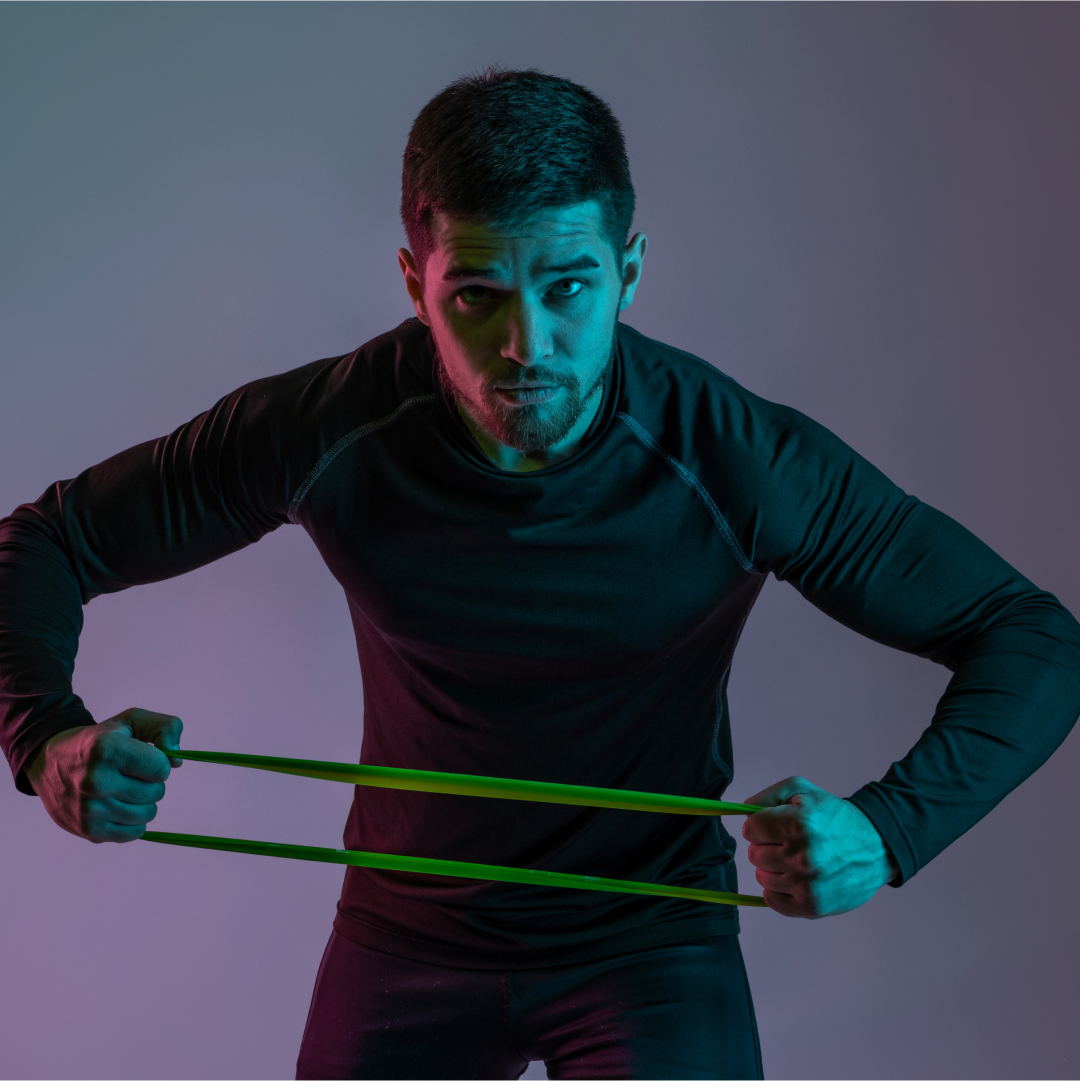
In today’s fast-paced world, the ability to get fit anywhere anytime is more critical than ever. As the fitness industry continues to thrive, valued at over $100 billion, more individuals are seeking effective ways to maintain their fitness levels regardless of their location. This guide emphasizes that one does not need access to a gym or expensive equipment to achieve their health goals; rather, it is about commitment, creativity, and consistency. By leveraging the power of bodyweight exercises and portable fitness equipment, individuals can seamlessly integrate effective workout routines into their daily lives. The provided guide offers three workout routines, thirty-six progressions, six sample workouts, and three enhancements, all designed to cater to various fitness levels. Even with just 15 minutes per day, proper strength and muscle growth can be achieved through a mix of on-the-go fitness strategies that suit busy schedules. This fitness guide’s core principles align with the philosophy of progressively challenging muscles—ensuring a blend of muscular damage, metabolic stress, and mechanical tension is achieved during workouts. Minimal equipment, such as resistance bands or simple items from home, further enhances the effectiveness of bodyweight training. With this newfound understanding, anyone can explore their potential, embrace total fitness flexibility, and discover that achieving health and wellness is not limited to a gym, but can be part of a vibrant, active lifestyle, regardless of location. Key Takeaways Fitness flexibility allows for workouts anytime and anywhere. Bodyweight exercises can yield effective results in just 15 minutes a day. Using portable fitness equipment enhances training possibilities. Setting clear fitness goals helps in maintaining motivation. Numerous online resources provide diverse workout options for all levels. Consistency and creativity in workouts contribute to long-term success. Incorporating community support can elevate fitness endeavors. Understanding the Importance of Fitness Anywhere Anytime In today’s fast-paced world, challenging schedules often hinder individuals from prioritizing their health. The advent of Fitness for Busy Lifestyles means adapting workouts for maximum flexibility. This concept allows anyone to incorporate On-the-Go Fitness seamlessly into everyday activities, ensuring exercise becomes an integral part of life rather than a mere afterthought. Benefits of Fitness Flexibility The ability to engage in Home Workouts or any style of exercise at convenient times brings significant health advantages. Studies reveal that engaging in 150 to 300 minutes of physical activity each week can reduce the risk of death from any cause by 19%. Notably, consistent physical activity not only improves physical health but also enhances mental well-being. Regular exercise acts as a potent buffer against conditions like depression and anxiety, ultimately fostering a more balanced lifestyle. The Concept of ‘Fitness on the Go’ ‘Fitness on the Go’ emphasizes the idea that no matter where you are, you can find ways to stay active. Innovative strategies, such as incorporating short exercise bursts throughout the day or using everyday errands as opportunities for movement, can lead to remarkable results. For example, walking for just 15 minutes daily can diminish the risk of major depression by 26%. Additionally, research demonstrates that even brief exercise sessions can enhance sleep quality and mood, further illustrating how flexibility in fitness can yield profound benefits. Commitment to a flexible fitness model promotes not only physical health but also nurtures social connections, as participating in community activities or fitness groups around shared interests enhances motivation. By choosing fitness methods compatible with one’s lifestyle and surrounding environment, individuals gain the ability to prioritize health effectively. Essential Gear for Working Out Anywhere Having the right gear can significantly impact the effectiveness of workouts conducted in various locations. Portable Fitness Equipment plays a crucial role in making fitness routines accessible and enjoyable, regardless of where one finds themselves. With the growing popularity of packable gym equipment, it’s easier to incorporate workouts into busy lifestyles and limited spaces. Here is a breakdown of essential items for effective fitness on the go. Lightweight and Portable Equipment Portable Fitness Equipment encompasses a range of tools that are easy to carry, making them ideal for those who travel or have limited space at home. Popular options include: Resistance Bands: Available in various resistance levels, they are perfect for targeting different muscle groups and can be used virtually anywhere. Jump Ropes: Excellent for cardio and conditioning, jump ropes are compact and effective for high-intensity workouts while being extremely portable. Adjustable Dumbbells: These allow for weight adjustments to suit diverse exercises, making them space-saving and ideal for strength training. Suspension Trainers: These versatile tools facilitate full-body workouts utilizing bodyweight, and can be set up in different locations easily. Yoga Mats: Essential for floor exercises and stretching, yoga mats are lightweight and crucial for maintaining comfort and balance during workouts. Clothing That Supports Mobility The right Clothing for Mobility is vital for enhancing performance during any workout. Effective clothing should ensure comfort, flexibility, and breathability. Key apparel recommendations include: Moisture-Wicking Shirts: These help manage sweat during intense training, keeping the body dry and comfortable. Compression Tights: Ideal for muscle recovery, they provide support during workouts and may help reduce muscle fatigue. Athletic Shoes: Proper footwear is essential for providing support and protection during a variety of exercises. Hand Towels and Water Bottles: Staying hydrated and maintaining cleanliness can enhance the workout experience. The combination of Portable Fitness Equipment and suitable Clothing for Mobility ensures a comprehensive workout experience, enabling fitness enthusiasts to stay active anywhere. Investing in durable, versatile tools can ultimately provide users with high-quality and effective workouts that fit seamlessly into their lifestyles. Types of Workouts You Can Do Anywhere Staying fit is achievable through various workout types that require little to no equipment. Emphasis on bodyweight exercises and cardio routines allows flexibility for those looking to maintain fitness during travels or busy schedules. Engaging in No-Equipment Workouts can be not only convenient but also effective in enhancing overall health and fitness. Bodyweight Exercises Bodyweight Training serves as a robust foundation for any workout regime. These exercises utilize the individual’s own weight for resistance, making them accessible and adaptable for all fitness levels. Notable

Scroll to Top