

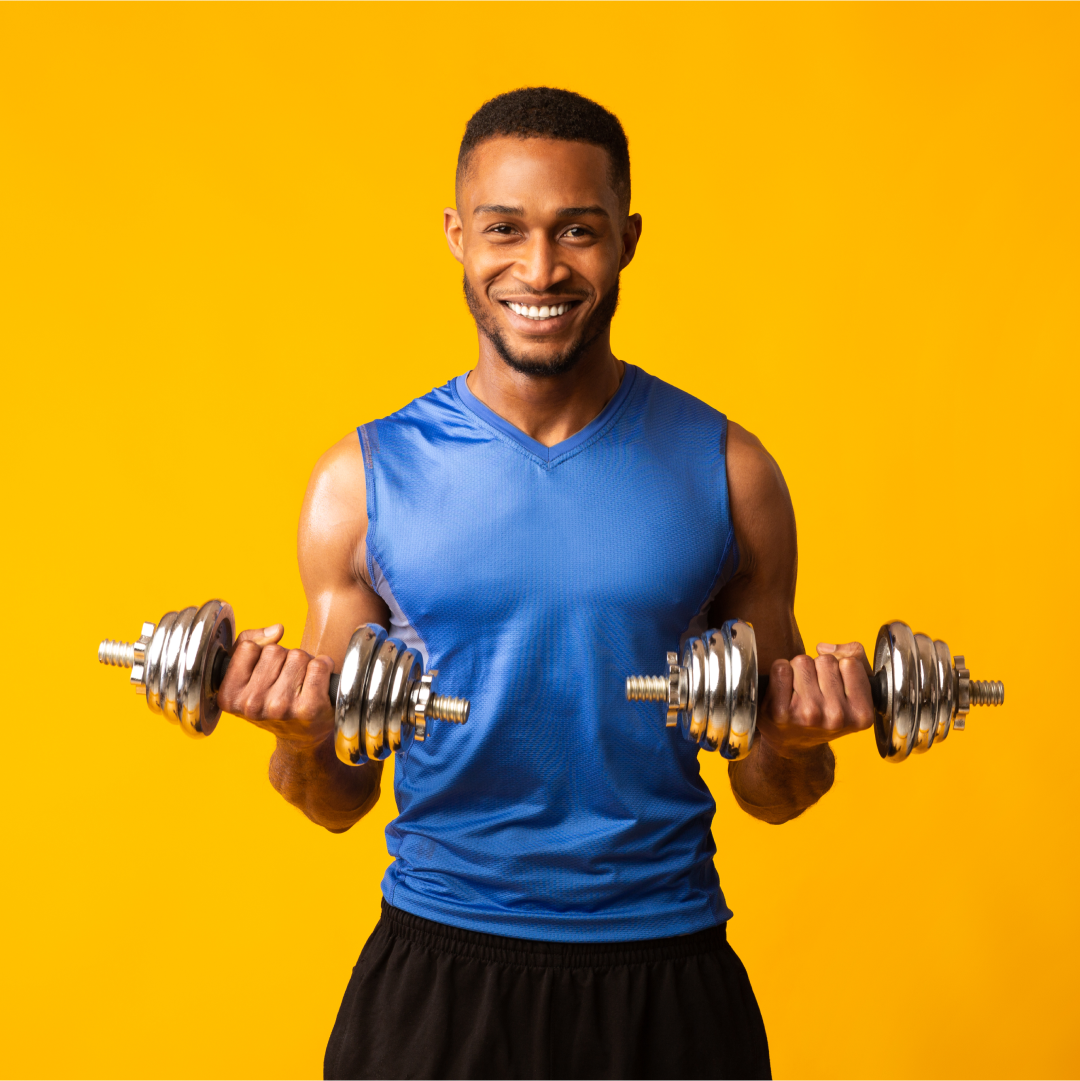

Women face unique challenges when trying to lose weight. Things like fitness level, age, and lifestyle can affect how easy it is. But, a good workout plan can help you reach your fitness goals.
Women often have a harder time losing weight because of a lower metabolic rate1. But, by mixing cardio and strength training, you can boost your metabolism and burn fat1. Jumping rope is a top fat-burning exercise for women2. Strength training also helps build muscle, which increases your metabolism and aids in weight loss1.
To lose weight effectively, follow a workout plan that includes both cardio and strength training1. Women should aim for 150 minutes of vigorous activity each week1. This can include jump rope intervals2, treadmill intervals2, and strength training for the arms, core, thighs, and glutes2. This balance helps you burn fat efficiently.
Remember, losing weight is not just about exercise. Diet is also key, making up 80% of the process1. Eating a balanced, nutritious diet along with your workout plan will help you reach your weight loss goals. It will also improve your health and well-being.
Understanding Weight Loss and Its Importance
Weight loss is key to staying healthy. It means losing body weight by eating fewer calories3. You can do this by moving more, eating less, or both. Losing weight helps your health, lowers disease risk, and gives you more energy3.
What is Weight Loss?
Weight loss means getting lighter, in pounds or kilograms. You can lose weight by changing your lifestyle, eating better, and being more active. The main way to lose weight is by burning more calories than you eat3.
Benefits of Weight Loss
Being at a healthy weight is good for you. It can make your heart healthier, lower disease risk, and give you more energy3.
- Improved cardiovascular health and reduced risk of heart disease, stroke, and high blood pressure3
- Enhanced metabolic function and better management of conditions like type 2 diabetes3
- Increased energy, stamina, and overall physical fitness3
- Improved mental health and reduced risk of depression4
- Better joint health and reduced risk of osteoarthritis3
Key Factors Influencing Weight Loss
Many things affect how well you lose weight. These include:
- Calorie-blasting routines: Regular exercise boosts metabolism and burns calories3.
- Balanced nutrition: Eating healthy, calorie-controlled foods helps manage weight3.
- Hormone regulation: Hormones like insulin and thyroid affect weight loss4.
- Stress management: Too much stress can slow down weight loss by affecting hormones and appetite4.
- Quality sleep: Good sleep helps with weight loss by regulating hormones and metabolism4.
Knowing these factors and using healthy strategies can help you reach your weight loss goals. This way, you can keep a healthy lifestyle for a long time34.
Designing Your Weight Loss Workout Plan
Starting a weight loss journey needs a good workout plan. It’s important to set goals, mix up your workouts, and stick to a weekly routine. Women can burn calories, build muscle, and increase their metabolism by doing strength training, interval conditioning, and low-intensity cardio5.
Setting Realistic Goals
It’s key to set goals you can reach for weight loss. Aim to lose 1-2 pounds a week, which means eating 500-1,000 calories less each day5. Losing too much weight too fast is unhealthy and hard to keep up. Focus on building healthy habits that you can keep for a long time5.
Incorporating Variety in Workouts
Your workout plan should have different exercises to keep you challenged and interested. Mix strength training, interval training, and low-intensity cardio to work out different muscles and improve fitness5. Strength training builds muscle, which helps burn more calories even when you’re not working out5. Interval training, like HIIT, boosts your metabolism long after you finish5. Low-intensity cardio, like walking, keeps you active and lets you recover between harder workouts6.
Weekly Schedule Suggestions
Here’s a 4-week workout plan to help you get started:5
- Monday: Lower body strength training
- Tuesday: Low-intensity cardio
- Wednesday: Upper body strength training
- Thursday: Low-intensity cardio
- Friday: Interval conditioning
Each workout should last about 20-22 minutes. This makes it easy to fit into your busy schedule5. Doing strength training, interval training, and low-intensity cardio helps you lose weight, build muscle, and increase your metabolism57.

Types of Workouts for Effective Weight Loss
To lose weight, you need a mix of exercises. This includes cardio to burn calories and strength training to build muscle. Each type is important for your weight loss journey. Let’s explore the different workouts that can help you succeed.
Cardiovascular Exercises
Cardio exercises like interval training and HIIT are great for burning fat and calories8. HIIT can keep your body burning fat for up to 24 hours after8. Jumping rope, cycling, and swimming are also effective, burning 400-750 calories per hour89.
Strength Training
Strength training is also key for weight loss. Exercises like deadlifts, squats, and bench presses build muscle. This boosts your metabolism and helps you burn more calories even when resting810. Aim for strength training 3-5 times a week for an hour each time for the best results8.
Flexibility and Mobility Workouts
Don’t forget to add flexibility and mobility exercises to your routine. Yoga and Pilates help build strength and keep a healthy weight810. Practicing yoga once a week for 30 minutes can lead to weight loss and lower BMIs8.
Combining these workouts gives you a balanced approach to weight loss. It covers cardio, strength training, and more. Remember, staying consistent and balanced is key to reaching your weight loss goals.
| Exercise | Calories Burned per Hour (for a 160 lb/73 kg person) |
|---|---|
| Aerobics, low-impact | 3659 |
| Aerobics in water | 4029 |
| Bicycling, less than 10 mph | 2929 |
| Ballroom dancing | 2199 |
| Elliptical trainer, moderate effort | 3659 |
| Golfing, carrying clubs | 3149 |
| Hiking | 4389 |
| Running, 5 mph | 6069 |
| Downhill skiing | 3149 |
| Swimming laps, light to moderate | 4239 |
| Walking, 3.5 mph | 3149 |
By mixing these exercises, you can create a balanced weight loss plan. It covers cardio, strength training, and flexibility. The key to success is being consistent and enjoying the activities you choose.
Tailoring Workouts to Your Fitness Level
Weight loss isn’t a one-size-fits-all deal. It’s all about making your workout fit your fitness level. Start slow and get more intense over time. This way, you’ll keep making progress and avoid hitting a wall.
Beginners: Starting Simple
Starting out? Begin with simple exercises. Try squats, lunges, and push-ups. Also, do some light cardio like walking or cycling11. It’s all about getting moving and building up your fitness without hurting yourself.
Intermediate: Building Strength
Ready for more? Move on to tougher workouts with heavier weights12. Try dumbbell rows, deadlifts, and step-ups. Add in some intense cardio like HIIT or cycling classes. This will help you get stronger and lose weight faster.
Advanced: Challenging Your Limits
For the pros, it’s time to go all out. Try high-intensity workouts, heavy weights, and complex moves12. Burpees, box jumps, and kettlebell swings are great for your heart and muscles. Just remember to start slow and listen to your body.
No matter your level, stay patient and keep going. Tailor your workouts to fit you, and you’ll see real results. Plus, you’ll enjoy the journey.
“Consistency is the key to long-term weight loss success. By tailoring your workouts to your fitness level, you’ll be able to see sustainable results and maintain a healthy lifestyle.”
Essential Equipment for Weight Loss Workouts
Right equipment is key for losing weight. You’ll need dumbbells, resistance bands, and cardio machines. Outdoor activities are also great. Let’s look at the must-haves for your fitness journey.
Dumbbells and Resistance Bands
Strength training is vital for weight loss. Dumbbells and resistance bands are affordable and versatile. They help build muscle, which boosts your metabolism and burns calories even when you’re not working out.13
Cardio Machines vs. Outdoor Activities
Cardio options are endless. Treadmills, bikes, and ellipticals are great for indoor workouts. They help burn calories and keep you on a calorie deficit.13 But, walking, jogging, or cycling outdoors can also be effective. They offer a change of scene and work more muscles.
Home vs. Gym Workouts
Choosing between home and gym workouts depends on what you like and can do.  Home workouts need little equipment, making them easy for those short on time or space. Gyms offer more machines and weights, letting you try new things and push yourself harder. Resistance machines help build muscle, making you look toned.13
It’s important to pick equipment and places that fit your life. This way, you’ll stick with it and see lasting results in your weight loss journey141315.
The Role of Nutrition in Weight Loss
Good nutrition is key for losing weight. Exercise helps burn calories, but diet is more important for weight loss16. Eating right before and after workouts boosts your efforts and helps you keep the weight off.
Fueling Your Workouts
Carbs, proteins, and fats give you energy for workouts16. Eat a mix of these before and after to help your muscles recover and get your energy back.
Meal Planning Tips
Planning meals ahead is a smart move for losing weight16. Healthy meals help you avoid bad choices. Include lean proteins, whole grains, fruits, and veggies for all the nutrients your body needs.
Importance of Hydration
Drinking water is vital for weight loss16. Drink water all day, especially before, during, and after workouts. It helps your body and can stop cravings and boost energy.
Focus on healthy eating, meal prep, and staying hydrated. These steps will help your workouts and weight loss goals16. Adding these to your life can lead to lasting weight loss.

“Successful weight loss is not about short-term diets or quick fixes, but rather a lifelong commitment to a balanced, nutritious diet and regular physical activity.” – Registered Dietitian, Jane Doe17
Common Misconceptions About Weight Loss Workouts
There are many myths about weight loss that can slow you down. Knowing the truth is key for women to lose weight well. Let’s look at some common myths and what’s really true.
Spot Reduction: Fact or Myth?
Many think you can lose fat in certain spots with special exercises. But this is a myth18. Our bodies don’t pick where to lose fat. Losing weight comes from burning more calories overall, not just in one spot.
The Role of Supplements
Some think supplements are key for losing weight. But they’re not needed for a good weight loss plan19. Eating right and exercising are the best ways to lose weight. Supplements can help, but they shouldn’t replace a healthy lifestyle.
Weight Training and Bulking
Many believe weight training makes women bulky. But this is mostly a myth18. Women usually can’t build as much muscle as men because of lower testosterone. Still, weight training is great for losing weight by building lean muscle and increasing metabolism.
By clearing up these myths, women can take a smarter approach to losing weight. A mix of cardio, strength training, and flexibility, along with healthy eating, is the best way to lose weight and stay fit.

Remember, losing weight is a personal journey. What works for one person might not work for another. It’s important to listen to your body and find a plan that fits your goals and lifestyle. With the right mindset and healthy choices, you can overcome these myths and reach your weight loss goals.
Staying Motivated Throughout Your Weight Loss Journey
Weight loss is a long-term goal, not a quick fix. To keep going, find what works for you. Having a workout buddy can help a lot20.
Tracking your progress is also key. Don’t just look at the scale. Take measurements, photos, and track your fitness. This helps a lot21.
Don’t forget to celebrate small wins. Getting into a new pair of jeans or getting stronger is worth it. Treat yourself to something nice for reaching goals2022.
Remember, it’s a journey, not a race. Focus on getting better, not being perfect. With the right mindset, you can reach your goals22.
“The journey of a thousand miles begins with a single step.” – Lao Tzu
Finding a Workout Buddy
Having a workout buddy makes a big difference. It makes the journey more fun and keeps you accountable. You can lose up to 20% more weight with a buddy20.
Tracking Your Progress
Keep an eye on how you’re doing. Use measurements, track your fitness, and take photos. Weigh yourself once a week to avoid daily discouragement20.
Celebrating Small Wins
Every achievement counts. Celebrate getting into your favorite clothes or finishing a tough workout. Rewarding yourself for milestones boosts your motivation2022.
| Motivation Strategies | Benefits |
|---|---|
| Finding a Workout Buddy | Increased accountability, support, and shared experiences |
| Tracking Progress | Improved motivation, accountability, and visualization of achievements |
| Celebrating Small Wins | Positive reinforcement, enhanced commitment, and continued motivation |
Overcoming Plateaus in Weight Loss
Weight loss journeys are not always straight. It’s common to hit a plateau where the scale doesn’t move, even when you’re trying hard. These plateaus can be tough, but knowing how to deal with them is key to success2324.
Recognizing a Weight Loss Plateau
A plateau happens when your body gets used to your diet and exercise. This slows down your weight loss. It can occur after weeks or months of steady progress24. To spot a plateau, watch your weight and measurements over time. Look for when they stop changing, even if you’re still eating healthy23.
Strategies to Push Through
To get past a plateau, try new things and boost your metabolism. You might want to work out more or harder23. You could also change how many calories you eat24. Focus on other wins like better fitness and more energy. Don’t forget, managing stress and getting enough sleep are important too2324.
Reassessing Your Goals
It’s good to check your weight loss goals often. Make sure they’re tough but doable. Be ready to change your plan if needed. Getting help from a doctor or fitness expert can be really helpful24.
By understanding plateaus, trying new things, and checking your goals, you can keep moving forward. This way, you’ll keep reaching your weight loss and fitness goals2324.
“The key to overcoming a weight loss plateau is to keep trying new strategies and not get discouraged. Persistence and flexibility are essential for long-term fitness progress and goal setting.”
Incorporating Mindfulness and Mental Health
The mind-body connection is key for losing weight. Stress management, like deep breathing and meditation, can lower cortisol levels. This helps with weight loss25. Mindfulness builds the brain’s willpower, helping you avoid unhealthy foods and understand why you eat25.
The Mind-Body Connection
Mindfulness and movement help you feel calm and relaxed. They reduce stress and anxiety, making you feel better overall26. Pamela Wampler lost 50 pounds by walking instead of drinking wine at night. This reduced her stress and increased her mindfulness27.
Stress Management Techniques
Walking can help with depression and anxiety. It makes you feel better and lowers depression risk27. Studies show mindfulness helps with weight loss. Four out of five studies found it helped people keep the weight off25.
Benefits of Yoga and Meditation
Yoga is good for your body and mind. It combines strength, flexibility, and mindfulness26. Meditation improves focus, reduces stress, and supports mental health. It helps with weight loss in a balanced way26.
In conclusion, adding mindfulness and mental health to your weight loss plan can change everything. It addresses the mind-body connection. This way, you can reach your physical goals and feel better overall.
Creating a Supportive Environment
Starting a weight loss journey can be tough. But, having a supportive place can help a lot. Find a fitness group and set up a home gym. This way, you’ll have a place that makes you want to keep going.
Finding Community and Resources
Being part of a fitness group can give you the push you need28. It’s like having a team that cheers you on. Studies show that people who join groups lose more weight than those who don’t28. These groups share tips, stories, and support, making your journey easier.
Setting Up Your Workout Space
Having a special place for workouts at home makes it easier and more fun29. It helps you feel more comfortable and less worried about what others think29. Pick a spot in your home that gets you excited to exercise. Make sure it has the right gear, like dumbbells or a yoga mat, for smooth workouts.
Communicating with Family and Friends
Telling your family and friends about your goals can really help28. Aim to lose 10% of your body weight for better health28. Share your plans and how you’re doing. Their support and joining in on healthy activities can make your journey easier.
Building a supportive space around you is key to reaching your weight loss goals. Whether it’s joining a fitness group, setting up a home gym, or talking to your loved ones, it’s all important. A supportive environment is essential for success.
Conclusion: Your Path to Weight Loss Success
Starting your weight loss journey is like running a marathon, not a sprint. It takes patience and hard work. Aim to lose 1 to 2 pounds each week30. Setting a goal to lose 5% of your weight can also help30.
Recap of Key Takeaways
Make sure to mix strength training with cardio. Try to do at least 30 minutes of aerobic activity most days30. Focus on eating foods high in fiber31 and use smaller plates for portion control31. Losing 500 to 750 calories daily can help you reach your goals30.
Encouragement for the Journey Ahead
Face challenges head-on and celebrate your small wins. Stay positive, even when things get tough31. With the right support and a focus on health, you can lose weight for good. It’s not just about the number on the scale. It’s about feeling stronger and more confident.
Additional Resources for Support
Use fitness apps and nutritional guides to help you32. Look for certified trainers or nutritionists for advice32. Join exercise clubs or online forums for motivation and support31. You’re not alone, and there are many resources to help you on your journey.


