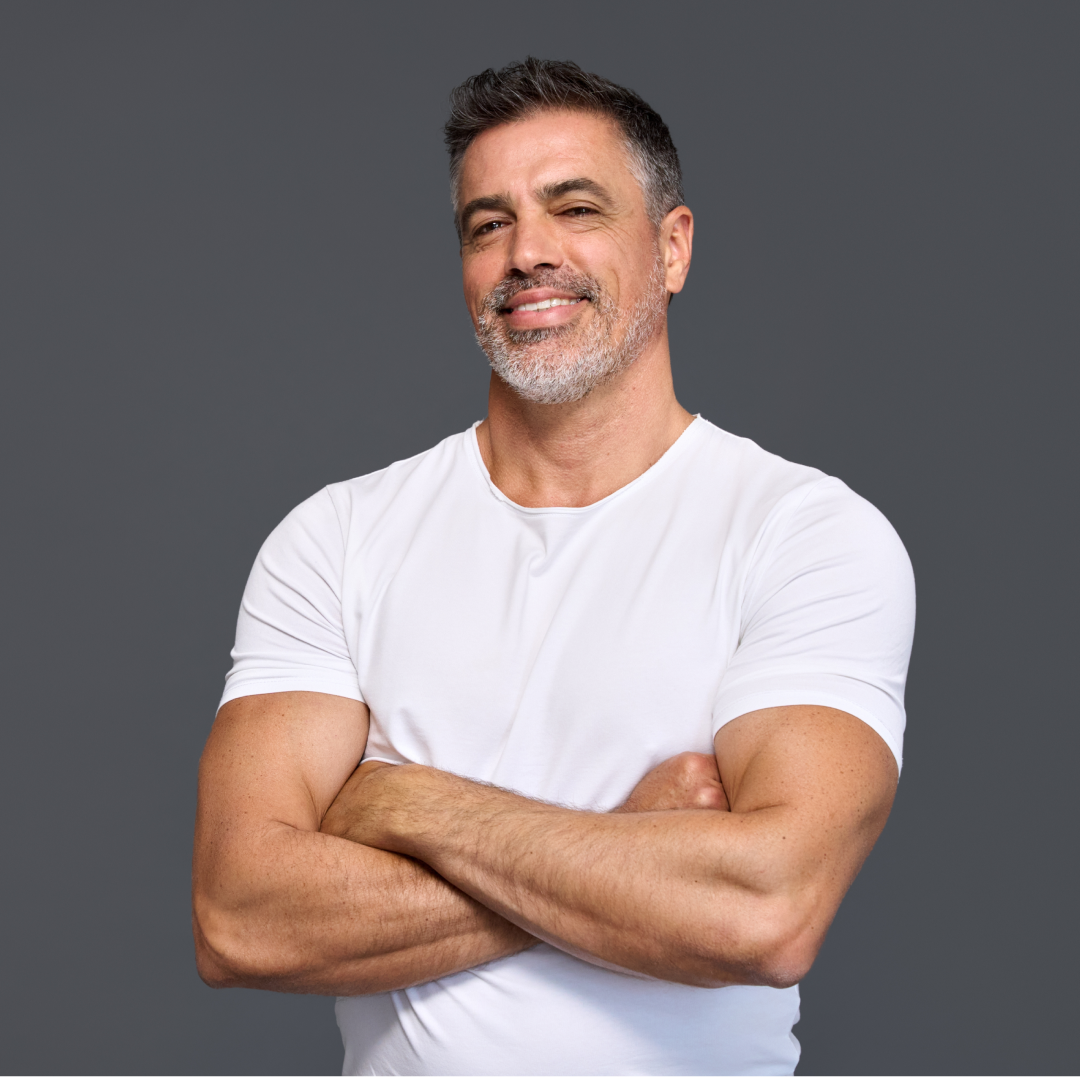
Author name: Alex Grayson

Alex Grayson is a globally recognized performance coach and fitness consultant who has worked with Olympic athletes, Fortune 500 CEOs, and Hollywood celebrities. With a degree in Sports Science and over 15 years of experience, Alex has developed groundbreaking training systems that combine biomechanics, mental conditioning, and personalized nutrition. Featured in top publications like Men's Health and Forbes, Alex also speaks at international conferences on peak performance and resilience.

contactoneothergame
best collection of strength training videos
Trends

Discover Top Online Strength Training Videos: Boost Your Fitness Journey

Fitness has changed a lot, making it easy to find great strength training videos at home. This change means you don’t need a gym to get fit. There’s a huge library of videos for all fitness levels and goals. These videos improve your workout skills and keep you safe. They cover everything from body-weight exercises to advanced lifting. With help from certified trainers, starting your strength journey is simple. Key Takeaways Strength training videos offer flexibility in workout routines without gym constraints. Access to diverse exercises helps cater to different fitness levels. Quality video tutorials can enhance technique and reduce injury risk. Certain applications and channels provide personalized coaching and structured programs. Stay motivated and engaged with informative and varied video content. Introduction to Strength Training Strength training is key for better fitness, touching on both body and mind. It builds muscle, strengthens bones, and boosts metabolism. The U.S. Department of Health and Human Services says healthy adults should do strength exercises for major muscle groups twice a week. Knowing the basics of strength training is crucial for better fitness. A good strength routine should include various exercises. These exercises help keep strength and mobility, preventing muscle and bone loss with age. Some great exercises include: Squats: Work the glutes, quads, and hamstrings. Seated rows with a resistance band: Strengthen the upper back, shoulders, biceps, triceps, and core. Pushing exercises: Improve upper body strength and stability. Lunges: Build lower body strength and balance. Deadlifts: Work multiple muscle groups for full strength. Core exercises: Help with stability and posture. For better strength, do a full circuit of exercises up to three times, with breaks in between. Start with bodyweight or light weights and get stronger. Being consistent, doing strength training two nonconsecutive days a week, really helps health. Adding aerobic activities also boosts wellness. If you’re new, start with bodyweight exercises. They’re easy to do at home, making strength training easy to begin. As you get more confident, you can move to dumbbells, kettlebells, or machines to reach your fitness goals. For more on this, check out guidelines on strength training or try a calisthenics routine to boost total body strength. Benefits of Strength Training Videos Strength training videos offer many benefits for those who love to stay fit. They are easy to access, fitting into any schedule. This makes them better than going to the gym. These videos have a wide range of workouts. You can find ones that target specific muscles or do a full-body workout. This variety keeps workouts interesting and helps you stay motivated. They also show how to do exercises right. This is important to avoid injuries and get the most out of your workout. By watching these videos, you can learn to do exercises correctly at home. Using strength training videos helps you keep improving. They make it easy to learn and do exercises right. This leads to better health and fitness for everyone. Benefit Description Ease of Access Workouts can be accessed anytime, accommodating busy schedules. Variety in Workout Selection Diverse workouts target different muscle groups and fitness goals. Improved Form Visual guidance helps users execute exercises safely and effectively. Increased Motivation Engaging and diverse content keeps users interested and on track. Best Collection of Strength Training Videos Looking for top strength training videos online? Many platforms offer great resources for fitness lovers. YouTube channels and fitness websites have workouts for all fitness levels. Channels like Bodybuilding.com and Sydney Cummings Houdyshell are known for their quality. Overview of Top Channels Popular channels have videos for beginners and experts. LES MILLS+ has over 1500 workouts, including BODYPUMP™ and HIIT strength. It also has no-equipment workouts like LES MILLS CORE™. This platform reaches people worldwide with various workout types. Key Features of Effective Videos Clear Instructions: Good videos give step-by-step directions, helping viewers do exercises safely. Visual Demonstrations: Showing proper form is key. Videos that demonstrate technique help avoid injuries and make workouts effective. Diverse Workout Types: Having many types of routines keeps viewers interested. You can find workouts with weights, body-weight exercises, and resistance-tubing. Time Flexibility: Workouts on platforms like LES MILLS+ range from 15 to 55 minutes. They fit into any schedule. Using these top resources for strength training videos can make your workouts better. Sites like School of Strength add value by focusing on warming up and cooling down. This ensures a full fitness routine. Types of Strength Training Videos Available Finding the right strength training video can really help your fitness journey. There are many videos for different tastes and skill levels. You can find body-weight exercises, resistance tubing workouts, or free-weight exercise videos online. Body-Weight Exercises Body-weight exercises are great for building strength without equipment. You can do them anywhere and they’re good for all levels. They use your body weight as resistance, helping tone and strengthen muscles. Look for body-weight exercises tutorials that cover different muscle groups. This ensures a balanced workout. Free-Weight Workouts Free-weight workouts help build muscle and improve strength. They use dumbbells and barbells. These videos guide you through exercises, making workouts effective and fun. Adding free-weight exercise videos to your routine targets specific areas. This makes it easier to see progress and adjust your workouts. Resistance-Tubing Videos Resistance tubing workouts are flexible and portable. You can train at home or on the go. These videos include exercises for the upper and lower body, offering different resistance levels. They’re good for both beginners and seasoned athletes. Weight Machine Tutorials Learning how to use weight machines is key for safety and efficiency. Weight machine tutorials teach proper form and technique. This ensures a safe and effective workout. These videos help you become more confident and knowledgeable in the gym. Type of Workout Description Example Duration Body-Weight Exercises Utilizes own body weight for resistance Varies, often 10-30 minutes Free-Weight Workouts Involves dumbbells and barbells for muscle building 20-45 minutes Resistance-Tubing Videos Portable workouts using elastic tubing for resistance 15-30 minutes Weight Machine Tutorials Guidelines on proper usage of

family workout challenge
Fitness

Family Workout Challenge: Fun Fitness Bonding!

Join the Family Workout Challenge and see how working out together can make lasting memories. It’s not just about getting fit. It’s about growing closer as a family through fun exercises. Studies show that exercising together can make your family stronger and more connected12. This fun way of exercising helps kids learn healthy habits by watching adults stay active3. With different activities, families can get healthier and spend quality time together. Are you ready to find exciting ways to make fitness a family activity? Key Takeaways Family fitness strengthens emotional bonds. Creating shared memories through fun workouts enhances relationships. Healthy habits formed in childhood can last a lifetime. Exercise together to reduce stress and promote relaxation. Celebrating victories fosters commitment to fitness. Why Family Fitness Matters Doing fitness together as a family is good for everyone’s health. It also makes your family closer. When you do exercise for families, you make memories that last forever. Strengthening Emotional Bonds Doing physical activities together makes your family closer. Parents who work out with their kids show them how to be healthy. This helps kids feel good and happy4. It also helps kids understand and share their feelings. This is good for their mental health4. Creating Lasting Memories When you exercise together, you make memories that last. Having a regular time for exercise for families makes kids excited. It’s a fun part of their week4. Even babies can join in on the fun. This starts them on a path to being active for life4. Instilling Healthy Habits in Children Teaching kids healthy habits starts early. Learning simple exercises like squats and planks helps them grow strong4. It’s important to mix cardio and strength training for a good workout4. Seeing parents be active makes kids want to be too. It helps them stay positive about exercise for life5. Benefits of Exercising Together Working out together as a family boosts both physical and mental health. It helps create healthy habits and strengthens family ties. The fun of doing activities together improves teamwork and makes everyone feel supported. Promoting Physical Health Family workouts lower the risk of chronic diseases and improve kids’ mobility and sleep6. Playing at the park or biking together shows kids the value of staying active6. There are many ways to exercise together, like indoor activities and swimming, which everyone can enjoy6. Enhancing Mental Well-being Exercising together makes everyone happier by releasing happy chemicals7. It reduces stress and improves mood, making everyone feel better6. It also boosts kids’ self-confidence through positive family experiences6. Fostering Teamwork and Communication Working out together requires teamwork and better communication6. It makes everyone work together towards goals6. This teamwork also motivates and challenges everyone to do better, leading to better health7. Family Workout Challenge: Fun Ways to Get Active Doing workout challenges together can make staying fit fun. Families can try different activities that everyone can enjoy. This includes outdoor adventures, home workouts, and games for all ages. Outdoor Adventure Activities Being outside is good for both fun and fitness. Families can go hiking, biking, or play tag in the park. The U.S. Department of Health and Human Services says kids should play actively for 60 minutes a day8. Swimming is also a great low-impact workout. It’s perfect for families to have fun and stay active together. Home Workout Challenges Setting up a mini gym at home can be exciting. Families can compete and stay fit by doing different activities. For example, walking around the block gets 1 point, jumping rope for 10 minutes gets 2 points, and running for 15 minutes gets 3 points8. These challenges make fitness fun and help track progress. Fitness Games for All Ages Fitness games make sure everyone can join in. Families can play sports like basketball or soccer, or do yoga together. Just five minutes of moderate exercise can make you feel better and have long-term benefits9. Try having a family sports day or play fitness games that everyone can enjoy. Keeping things fun and varied helps everyone participate and strengthens family bonds. Creating a Family Exercise Routine Starting a family exercise routine is key to reaching fitness goals together. First, set goals everyone can agree on. Aim for things like a daily step count or joining a fun run. Getting everyone involved makes fitness a team effort. The government says kids and teens should move for at least 60 minutes a day. But only 5.1% of them do10. Setting goals that are doable helps everyone feel excited to join in without feeling forced11. Setting Realistic Fitness Goals When setting goals, find at least three 30-minute times each week for activities12. This can be anything from playing tag to swimming. Celebrating small wins helps everyone feel like they’re making progress12. Make fitness fun by turning special events into active ones. For example, go on hikes or play sports games12. Establishing a Weekly Schedule Having a weekly schedule keeps everyone on track with their workouts. Knowing when and where to meet makes it easier to fit in exercise. Try parking far away and walking to get more steps in your day12. Joining local charity walks or runs can unite your family while getting fit11. Working together for a good cause adds extra motivation. Also, try fun activities like stair climbing and push-up challenges for healthy family fun11. Fun Family Workouts for Every Age Creating fun family workouts makes physical activity enjoyable for everyone. This ensures all ages stay engaged. Activities tailored to different groups help families bond while reaching fitness goals. Here’s a look at activities for various age groups. Kid-Friendly Fitness Activities Kids love fun and interactive exercises. The CDC says kids aged 6 to 17 need at least one hour of activity daily. Running in relay races is great for teamwork and fun13. Jumping games like jump rope and hopscotch build muscle and heart health. They also turn into friendly competitions13. Indoor ball games boost heart health and improve balance and coordination13. Skipping and simple exercises like bear crawls

somatic weight loss
Somatic

Somatic Weight Loss: Transform Your Body Mindfully

Somatic weight loss is a new way to manage weight. It connects the body and mind in the weight loss journey. The word “somatic” comes from the Greek “soma,” meaning “body.” This approach focuses on changing the body and improving mental and emotional health. In today’s world, stress can make us eat unhealthy foods. This is because stress raises cortisol and insulin levels1. Mindful practices and somatic therapy help us deal with emotions and stress. They also improve how we feel about our bodies. By adding somatic weight loss to our daily lives, we can change in a healthy way. This article will show you how to start your mindful weight loss journey. Key Takeaways Somatic weight loss connects the body and mind for comprehensive health transformation. Stress triggers cravings for unhealthy foods, increasing weight gain risk. Mindfulness practices can significantly reduce stress and anxiety levels. Body awareness enhances posture, flexibility, and overall movement. Regular somatic exercises can improve emotional well-being and support weight management. Understanding Somatic Weight Loss Exploring somatic weight loss is a special way to handle weight. It uses body awareness and mindfulness. This method links the mind and body, showing health in a new light. What is Somatic Weight Loss? Somatic weight loss mixes mindfulness with movement. It uses somatic exercises for weight loss to tune into the body. This helps understand how we react to food and exercise. Studies show these exercises boost flexibility and joint health. They also help connect the brain with muscles, improving body awareness2. The Mind-Body Connection in Weight Loss The mind-body connection is key for managing weight. Stress can make it hard to lose weight. Somatic exercises help lower stress, making it easier to keep healthy habits2. Somatic yoga can burn 150 to 250 calories in 60 minutes, based on intensity3. This calorie burn, along with mindfulness and less stress, leads to better eating habits3. Regular practice brings balance, helping achieve somatic weight loss. Benefits of Somatic Weight Loss Trying somatic weight loss has many good points for health and happiness. It helps change your body and mind. It makes you feel better in many ways. Reducing Stress and Cortisol Levels Somatic exercises help lower stress and cortisol. These are key for managing weight. It teaches you to move on purpose and be mindful. This helps you relax and feel better. It also makes you more aware of what you eat. This helps you choose better foods and manage your weight better4. Improving Body Awareness and Posture One big plus of somatic weight loss is better body awareness and posture. It makes you more aware of your body and how you move. This can make you more coordinated and mobile. It can also reduce pain and make you move better4. Paying attention to your posture improves your body and mind. It teaches you to value your body’s awareness5. Enhancing Emotional Well-being Somatic practices help you manage your emotions better. They make you more aware of your feelings. This leads to being more emotionally strong5. This connection between your mind and body helps you deal with feelings. It makes you more positive and helps you keep a healthy weight. Studies show it leads to better lifestyle choices, helping you lose weight6. Somatic Techniques for Effective Weight Loss Using somatic techniques for weight loss can make you feel better physically and emotionally. It’s important to be mindful in your daily movements. This helps you understand your body better. Integrating Mindfulness into Movement Mindful daily activities can turn on your body’s “rest and digest” mode7. This reduces stress and stops emotional eating, which can make you gain weight7. Moving in a mindful way makes losing weight more fun and lasting. Exploring Various Somatic Exercises Trying out different somatic exercises can help you reach your weight loss goals. These exercises include: Yoga: It makes you more flexible and peaceful inside. Tai Chi: It helps you stay balanced and move smoothly. Mindful walking: It connects you with your breath and the world around you. Conscious breathing: It lowers stress and helps you focus better. Somatic practices help release tension and improve your nervous system8. You can adjust these activities to fit your fitness level, making them for everyone. Creating a Personal Routine for Weight Loss It’s key to make routines that fit your life. Start with short somatic exercises in your week. Then, make these sessions longer to keep up a good habit that meets your goals. For example, you could spend: Activity Duration (minutes) Frequency (per week) Mindful Walking 15 3 Yoga 30 2 Conscious Breathing 10 5 This plan is structured but flexible, helping you lose weight and connect with your body9. It’s about enjoying the journey and learning about yourself. Somatic Weight Loss Programs and Resources More people are looking into somatic weight loss. Many programs now exist for different lifestyles. You can find everything from “Somatic Yoga for Weight Loss” to Dance Movement Therapy online. With just a Google search, you can find millions of options for somatic weight loss10. Popular choices include Embodied Life™ seminars and Irene Lyon’s 21 Day Nervous System Tune Up. These have helped many people make big changes10. Overview of Popular Programs It’s important to pick a program that fits your goals and pace. For example, Dr. Ann Saffi Biasetti’s 8-week Befriending Your Body Program focuses on self-compassion and emotional control for those with disordered eating10. Mindfulness practices can also help lower stress and cortisol levels11. Programs with somatic exercises improve body awareness and emotional stability. They are great for effective weight loss. How to Choose the Right Program for You Choosing the right program means thinking about what you like, how much time you have, and who you can count on. Look for programs that fit your lifestyle, whether it’s short sessions or longer ones with mindfulness12. Consistency is important for seeing results, so pick something you can stick with11. Source Links Mindful Weight Loss: Somatic Exercises & Benefits Understanding Somatic Exercises and Their

power pilates exercise
Pilates

Transform Your Body with Power Pilates Training

Power Pilates is a fun exercise system that changes your body and mind. It uses controlled movements to boost core strength and tone muscles. It’s a full-body workout that’s easy on your joints. Joseph Pilates created it in the early 1900s. Now, it’s a top fitness choice worldwide. It’s loved by health-focused adults who want to feel better. Virginia Acosta introduced Power Pilates in the Dominican Republic in 2004. She has over 25 years of experience in dance and yoga. Her knowledge makes Power Pilates effective and popular1. It teaches mindful movement. This helps people see fitness as a whole-body experience. This article will dive into Power Pilates. We’ll cover its history, key principles, and how to add it to your routine. Key Takeaways Power Pilates focuses on core strength and wellness. It uses controlled movements for all fitness levels. Mindful movement is key, improving emotional health. It’s a low-impact workout, reducing injury risks. Power Pilates is now popular in studios around the world. What is Power Pilates? Power Pilates is a new take on traditional Pilates. It makes Pilates more intense. This style uses controlled movements that link breath and focus. It’s a full-body workout that boosts fitness and wellness. The Origins of Pilates Joseph Pilates started Pilates in the early 1900s. He called it Contrology. He wanted to help people with pain and improve their balance through movement. Since then, Pilates has grown. Now, thousands worldwide practice it. It shows how lasting its impact is. Key Principles of Power Pilates Power Pilates has six main principles. These are centering, control, concentration, flow, breath, and precision. They help improve posture, flexibility, and muscle strength. Each principle helps build on the others. This way, students focus on toning muscles while becoming more aware of their body. Benefits of Power Pilates Pilates does more than just tone muscles and improve flexibility. It also strengthens the core and improves posture. In just 10 sessions, people often feel better. After 20 sessions, results start to show. And after 30 sessions, the body changes a lot. This shows how regular practice can greatly improve health and well-being. With over 10,000 trained graduates, Power Pilates proves its worth. It works for all fitness levels and backgrounds2. Practitioners use over 500 controlled movements. They focus on the Powerhouse, which is key for stability and movement3. How Power Pilates Works Power Pilates is a dynamic exercise that focuses on controlled movements. It uses body weight and special equipment like the Pilates Reformer. This creates a full-body workout. Resistance Training Explained Power Pilates uses body weight and tools like bands or weights for resistance training. These tools help connect with muscles better and improve control. They help build muscle without adding bulk, leading to muscle definition4. Controlled movements are key. They make muscles work better and adapt5. Core Strength and Stability Core strength is key in Power Pilates. It strengthens the abdominal, lower back, and hips. Exercises improve balance and coordination6. Movements like the Saw and Swimmer work on stability and flexibility. They also boost endurance5. Mind-Body Connection in Practice Mindful movement is central to Pilates. It focuses on body and breathing awareness. This improves physical alignment and efficiency6. Contrology, Pilates’ original name, promotes a positive attitude towards exercise. Regular practice boosts well-being and confidence45. Benefit Description Increased Balance Enhances overall stability and coordination during various movements. Flexibility Promotes improved range of motion through controlled stretching. Core Strength Focuses on building a strong foundation for all movements. Muscle Building Encourages lean muscle development without excess bulk. Body Awareness Improves consciousness of body posture and alignment. Muscle Tension Reduction Helps relieve tension through mindful movements. Relaxation Facilitates overall relaxation through breathing techniques. Endurance Improvement Enhances overall stamina through sustained workouts. Getting Started with Power Pilates Starting your Power Pilates journey means knowing what you need. You’ll need the right fitness equipment for effective workouts. For beginners, finding your way can seem hard. But with the right help, you can easily add Power Pilates to your life. Equipment You May Need To start Power Pilates, you’ll need some basic items for your home gym. A good yoga mat is key for comfort and stability. Resistance bands add challenge to your pilates workout. If you go to pilates classes, studios have special gear. This includes reformers, cadillac units, and more. It makes your workouts better. Finding a Class or Instructor Finding the right pilates instructor or class is crucial. Studios offer classes for all levels. This means everyone can find something that fits. Look for local studios or online programs. Choose ones that focus on Power Pilates. This ensures you get the best training. Essential Skills for Beginners Beginners need to learn basic skills first. Focus on core strength, body alignment, and breathing. These are the basics of Pilates. With practice, you’ll build a strong foundation. This will help you move on to more challenging Pilates exercises. Equipment Description Usage Yoga Mat A non-slip surface for comfortable practice. Essential for all Pilates workouts. Resistance Bands Elastic bands for added resistance. Enhances difficulty of exercises. Reformer A machine that uses springs for resistance. Common in pilates classes for advanced workouts. Cadillac A piece of equipment with an overhead frame. Used for a variety of exercises to develop strength. Power Pilates vs. Traditional Pilates Pilates has many styles, each for different goals. Power Pilates and traditional Pilates are two main types. They offer unique benefits, making it important to choose the right one for you. Key Differences Explained Power Pilates is known for its intense workouts and dynamic moves. It uses mat work and equipment like resistance bands and weighted balls. Traditional Pilates focuses on controlled exercises on the reformer and special equipment. The power pilates differences include jumps and lunges. This makes it different from traditional Pilates’ precise movements7. Power Pilates is great for strength, endurance, and heart health. It’s best for those who already exercise7. Traditional Pilates is for beginners or those wanting a gentle workout. It focuses on alignment

Scroll to Top